- All
- Product Name
- Product Keyword
- Product Model
- Product Summary
- Product Description
- Multi Field Search


Views: 0 Author: Site Editor Publish Time: 2026-05-17 Origin: Site


Misinterpreting battery specifications often leads to device corrosion. It can cause suboptimal equipment performance and create procurement headaches. Ignoring label warnings directly introduces safety hazards. It also creates regulatory compliance issues for your business.
Whether you buy in bulk for commercial use or select OEM components, you must evaluate power sources deeply. Understanding the precise chemical makeup and standardized labeling of an Alkaline Battery is critical for cost-efficiency and compliance. Relying purely on marketing claims will cost you time and money.
This guide breaks down standardization codes into simple terms. We compare actual performance metrics against standard marketing claims. You will learn to read safety labels correctly. This knowledge will streamline your decision-making process and protect your vital equipment.
Standardized IEC codes (e.g., LR1154) provide an exact blueprint of an alkaline battery's chemistry, shape, and physical dimensions.
Capacity (mAh) is not absolute; an alkaline battery's actual lifespan fluctuates heavily based on device drain rate and operating temperature.
Proper label reading ensures regulatory compliance, highlighting crucial environmental directives (WEEE) and traceability codes.
High-capacity rechargeable alternatives often fail to match alkaline batteries in low-drain, long-idle scenarios due to self-discharge rates.
Global regulatory bodies classify batteries to prevent cross-brand compatibility issues. The International Electrotechnical Commission (IEC) and the American National Standards Institute (ANSI) provide universal naming conventions. These standardized systems eliminate confusion. They ensure you purchase the exact physical and chemical match for your device.
You can unlock detailed technical data by reading IEC codes. These short alphanumeric strings act as an engineering blueprint.
First Letter (Chemistry): The letter "L" distinctly designates an alkaline chemistry. For example, compare an LR44 to a CR2032. The "C" in the latter signifies a lithium chemistry.
Second Letter (Shape): The letter "R" represents a round or cylindrical physical shape.
Numbers (Dimensions): Trailing numbers indicate nominal diameter and height. A code like 1154 means the cell has a roughly 11.6mm diameter and a 5.4mm height.
You should always cross-reference standardized codes. Avoid relying solely on brand-specific model numbers. A manufacturer might call a cell D399 or TR927. However, its universal IEC name remains LR1154. Using IEC codes ensures accurate procurement. It entirely eliminates frustrating vendor lock-in.
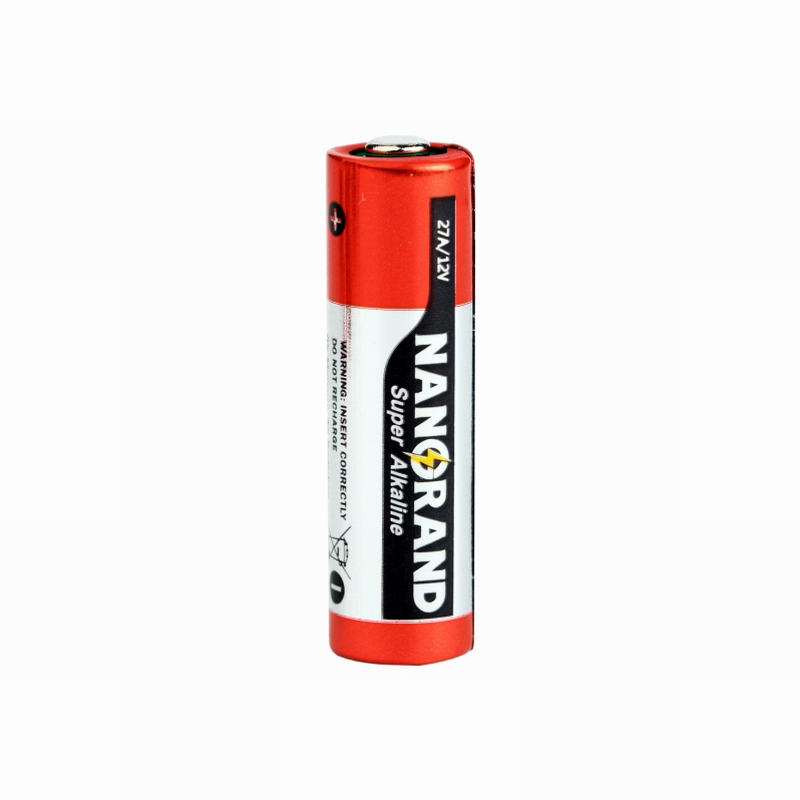
Measuring a rested battery yields the Open Circuit Voltage (OCV). This metric is highly misleading. It does not reflect real-world capability. True remaining lifespan must be tested under an active load. This loaded measurement gives you the Closed Circuit Voltage (CCV).
A fresh cell reliably reads 1.5V out of the box. As the cell discharges, this voltage drops. A reading of 1.1V generally indicates roughly 20% remaining viable life. Devices requiring high voltage will shut down at this point.
| Voltage Measurement Type | Testing Condition | Accuracy for Lifespan | Fresh Cell Benchmark |
|---|---|---|---|
| Open Circuit Voltage (OCV) | No load applied | Low (Misleading) | ~1.5V to 1.6V |
| Closed Circuit Voltage (CCV) | Active load applied | High (Accurate) | ~1.5V |
Many consumers believe capacity limits are absolute. This is a common misconception. Alkaline capacity depends heavily on the discharge rate. Different devices pull energy at vastly different speeds.
A cell discharging at a very low rate yields higher total capacity. Drawing 25mA allows the chemical reaction to run efficiently. Conversely, subjecting the cell to a heavy 500mA load reduces total capacity. The internal chemistry simply cannot keep up with rapid energy demands.
These power cells have a standard operating range. They function best between -18°C and 55°C. Extreme cold drastically changes their performance profile.
Low temperatures do not permanently destroy internal capacity. Instead, they temporarily increase internal resistance. High resistance severely restricts electron flow. This causes significant voltage drops in high-power devices. Once the cell warms up, normal function usually returns.
Reading a label gives you crucial technical and safety data. Manufacturers must print mandatory surface information clearly. You should look for these core elements before making any purchase.
Chemistry Description: Confirms the internal chemical makeup.
Nominal Voltage: Displays the baseline output rating (usually 1.5V).
Polarity: Clearly marks the positive (+) and negative (-) terminals.
Size Designations: Shows standard sizes like AA or standard IEC codes.
Labels feature a crossed-out wheeled bin symbol. This indicates strict WEEE compliance. It shows specific disposal requirements separate from regular municipal waste. You cannot throw these items in normal trash.
Labels also indicate heavy metal identifiers. You might see Hg, Cd, or Pb listed. A "Mercury-Free" declaration is highly desirable today. This specific marking remains critical for meeting modern corporate ESG guidelines.
Modern manufacturing requires strict traceability protocols. Production codes and batch numbers hold immense importance. They appear printed directly on the label or casing.
These codes help companies track factory defect rates. They also help managers calculate strict shelf-life expectations. If a particular batch leaks, you can quickly identify and isolate the compromised cells.
Many buyers prioritize high mAh ratings above everything else. This strategy ignores the vital self-discharge variable. You must understand how an Alkaline Battery maintains its charge over time. They retain power exceptionally well in storage. They lose only about 3% capacity annually at standard 20°C temperatures.
Your chosen device dictates the ideal power chemistry. Different electronics require vastly different energy delivery methods.
Low-drain devices include TV remotes, wall clocks, and smoke detectors. Alkaline chemistry easily wins here. High-mAh rechargeable options like NiMH have rapid self-discharge rates. They will sit idle and die long before a standard alkaline cell depletes.
High-drain devices include camera flashes and motorized tools. Alkaline chemistry falls short in these intense applications. High internal resistance causes rapid voltage drops under heavy loads. Lithium or Ni-Zn alternatives become highly cost-effective here despite their higher upfront prices.
You must base purchasing decisions on device behavior. Look closely at instantaneous power draw. Evaluate how long the device sits idle between uses. Do not solely rely on the highest stated mAh rating. Matching chemistry to the specific drain profile maximizes efficiency.
Equipment damage from leaks frustrates many consumers. The mechanics behind this phenomenon are purely chemical. As cells discharge, their internal reactions generate trace amounts of hydrogen gas. Over time, internal pressure builds up.
If this pressure grows too high, it breaches the safety mechanisms. It forces past the nylon seal or ruptures the steel casing. Potassium hydroxide (KOH) leaks out of the cell. This substance reacts with ambient CO2 in the air. They combine to form potassium carbonate. This creates the corrosive white powder you often see. It quickly destroys sensitive circuit boards.
Proper storage protocols drastically reduce leakage risks. Implement these best practices to protect your valuable hardware.
Control Climate: Store supplies in dry, room-temperature environments. Refrigeration is a widespread myth. It introduces severe condensation risks. Moisture causes external rusting.
Enforce Removal: Mandate the removal of cells from devices scheduled for long-term storage. A dormant device still pulls parasitic drain. This slow drain causes deep discharge and eventual leaks.
Avoid Mixing: Never mix fresh and depleted cells together. Do not mix different chemical brands either. Uneven voltage profiles accelerate internal gas buildup. This drastically increases the chance of structural failure.
Always ensure strict adherence to OEM device guidelines. Match the precise physical dimensions required. Standard AA, AAA, or specialty sizes must fit snugly. Loose contacts cause power interruptions. Overly tight fits can damage the device casing.
Look for robust shelf-life guarantees printed on the packaging. Top tier manufacturers offer 5-to-10-year guarantees. This extended viability proves essential for emergency equipment. Backup systems must power on immediately when disaster strikes. High-quality seals prevent premature degradation during these long storage periods.
You should prioritize trusted manufacturers. Look for brands that explicitly advertise engineered anti-leak seals. Advanced seal designs utilize higher quality nylon and precise crimping. Some top brands even offer equipment damage warranties. They will replace your device if their product leaks and destroys it. This provides ultimate peace of mind.
Evaluating power solutions requires looking past simple marketing numbers. Nominal specifications rarely match actual field performance. You must account for temperature, load type, and usage frequency. Understanding these variables prevents premature power failures.
You can maximize operational efficiency by applying strict technical standards. Read IEC codes carefully to secure the exact chemistry needed. Match the power drain rate to the correct cell type. Always adhere to strict storage best practices to avoid corrosive leaks. Taking these deliberate actions prevents costly equipment damage and ensures reliable daily performance.
A: ANSI represents regional naming conventions primarily used in North America. IEC provides a standardized international naming system. Both organizations classify the exact same chemistry and physical sizes. Using IEC codes prevents cross-brand confusion and simplifies global procurement efforts.
A: Devices often pull a small parasitic drain even when powered off. This slow chemical reaction continuously generates internal hydrogen gas. Pressure slowly builds up and degrades the protective seal. Eventually, corrosive potassium hydroxide escapes and destroys metal contacts.
A: No. Alkaline cell voltage is strictly governed by its specific chemical reaction. A fresh single cell always outputs around 1.5V. If a label shows a higher voltage rating, it represents a completely different chemistry or a multi-cell pack wired in series.
A: You should securely tape the terminal ends to prevent dangerous short circuits. You can no longer universally dispose of them in standard household trash. Always adhere to local municipal recycling mandates and strict WEEE directives by utilizing certified collection facilities.


