- All
- Product Name
- Product Keyword
- Product Model
- Product Summary
- Product Description
- Multi Field Search


Views: 0 Author: Site Editor Publish Time: 2026-08-31 Origin: Site


Navigating battery procurement requires a delicate balance of shelf stability and strict device compatibility. Finding a reliable power source often feels overwhelming amidst endless marketing claims. Buyers face real-world risks on a daily basis. You might deal with unexpected leakage ruining expensive equipment. You could encounter dead stock in your warehouse or frustrating voltage mismatches in sensitive devices. Understanding the core chemistry and operational limits of your power supplies is absolutely crucial.
This guide strips away the noise to provide clear, evidence-based answers. We will explore actual battery performance, hidden storage risks, and precise application matching. You will learn how to evaluate capacity metrics using standardized frameworks. We also break down the reasons behind battery leaks to help you prevent common failures. Ultimately, these practical insights will help procurement teams and informed consumers make optimal purchasing decisions.
Voltage realities: Alkaline batteries deliver a true 1.5V output, essential for sensitive devices that reject 1.2V rechargeable alternatives.
Leakage prevention: Most leaks stem from user error—specifically mixing battery types or ages, which forces weak cells into over-discharge.
Standardized evaluation: True capacity (mAh) is not static; it is determined by the device's discharge rate and cutoff voltage per IEC60086 standards.
Commercial viability: A 5-to-10-year shelf life and mercury-free compliance make alkaline cells a low-risk, high-margin staple for retail and emergency preparedness.
Selecting the right power source starts with understanding voltage requirements. Many modern electronic circuits and legacy devices require a strict 1.5V baseline to operate properly. A standard Alkaline Battery naturally delivers this 1.5V output right out of the package. In contrast, Nickel-Metal Hydride (NiMH) rechargeable batteries peak at just 1.2V. This fundamental voltage gap creates significant problems for sensitive electronics.
When you insert a fully charged 1.2V NiMH cell into a smart door lock or a thermostat, the device often reads the lower voltage incorrectly. It will falsely register a "low battery" state. The device might trigger warning beeps or shut down entirely. Using primary 1.5V cells prevents these frustrating false alarms and ensures your electronics function precisely as designed.
Another major factor is the self-discharge rate. Rechargeable batteries present a distinct operational risk in low-draw or emergency devices. Standard NiMH cells lose a large portion of their charge within just a few weeks of inactivity. If you rely on them for flashlights or emergency weather radios, you might find them completely dead when you need them most.
Conversely, primary 1.5V cells offer minimal self-discharge. They remain highly viable in emergency kits for years. You can store them in a drawer or a warehouse, and they will still deliver reliable power long after purchase. For low-to-medium drain devices like wall clocks, TV remotes, and wireless computer peripherals, the simplicity and long-lasting readiness of single-use cells easily outweigh the continuous maintenance required by rechargeable alternatives.
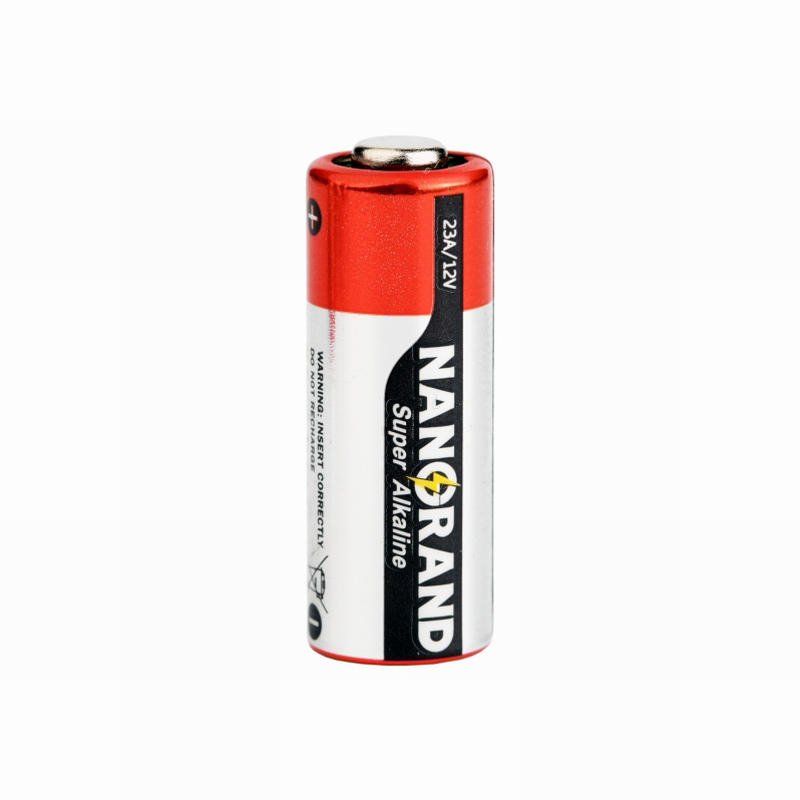
Buyers often struggle with confusing international labeling conventions. Understanding battery nomenclature is the first step to standardizing your procurement process. For example, the designation "LR6" represents an AA size cell. The "L" indicates an alkaline chemical system, and the "R" stands for a round or cylindrical shape. Similarly, "LR03" represents an AAA cell. Knowing these codes ensures cross-brand chemical consistency when you order supplies.
A common myth in the industry is that batteries hold a fixed capacity number. True capacity, measured in milliampere-hours (mAh), is never static. It is calculated by multiplying a specific current draw by the hours it takes to reach a predefined cutoff voltage. The International Electrotechnical Commission (IEC) standard 60086 outlines exactly how these measurements work.
For instance, an engineer might test a cell by applying a low 25mA continuous draw until the voltage drops to 0.8V. The time it takes to reach that cutoff dictates the official capacity rating. However, the drain rate of your specific device drastically impacts this efficiency.
These power cells operate at peak efficiency under a low, consistent current. As the current demand spikes in high-drain devices, the available capacity drops significantly. This happens because high current increases the internal resistance inside the cell, generating heat and wasting energy. We can observe this dynamic in the table below.
| Drain Rate Category | Current Demand | Effective Capacity Retained | Typical Device Example |
|---|---|---|---|
| Low Drain | Under 50mA | ~90% to 100% | Wall Clocks, TV Remotes |
| Medium Drain | 50mA - 250mA | ~60% to 80% | Wireless Mice, Smart Locks |
| High Drain | Over 500mA | ~30% to 50% | Motorized Toys, Digital Cameras |
Battery leakage is a major frustration for consumers and enterprise users alike. To prevent it, we must break down the chemical reality of "Duraleak" events. Most leaks do not happen randomly. They occur when batteries of different brands, different chemistries, or different ages mix inside a single device.
When you mix an old cell with a new one, the capacities become unbalanced. The stronger, newer cell continues to push current through the circuit. It forces the weaker cell into an over-discharge state, dropping its voltage below zero. This negative voltage state acts as a reverse charge, rapidly generating hydrogen gas inside the casing. Eventually, the gas pressure ruptures the safety seal, releasing highly caustic potassium hydroxide (KOH) onto your device's circuit boards.
Environmental triggers also play a massive role in cell failure. High heat accelerates the natural self-discharge rate and increases internal pressure. Leaving a flashlight in a hot car during the summer practically guarantees a ruptured seal.
Many people mistakenly believe that storing batteries in the refrigerator extends their life. This cold-storage myth is highly damaging. Moving a cold cell into room temperature causes condensation to form inside the packaging. Moisture damages the structural seals and corrodes the brass pin collectors at the negative terminal. This vastly increases failure rates. Ideal storage is a dry, climate-controlled environment maintained between 10°C and 25°C (50°F–77°F).
Always replace all batteries in a device simultaneously.
Never mix different brands or different chemical systems (e.g., alkaline with carbon-zinc).
Remove power cells from devices that will sit unused for several months.
Store bulk inventory in a temperature-controlled, dry room away from direct sunlight.
Understanding device power curves is essential for maximizing battery life. A premium Alkaline Battery shines brightest in low-to-medium drain environments. You should deploy them in devices that require small, steady amounts of power over long periods.
Smart Home Sensors: Motion detectors and window sensors draw micro-amps while in standby. Standard 1.5V cells provide reliable, uninterrupted power for these sensors for over a year.
Electronic Door Locks: Motorized deadbolts need short bursts of power followed by long idle periods. The 1.5V output ensures the motor receives enough torque without falsely triggering low-voltage alarms.
Wireless Peripherals: Computer mice and keyboards benefit from the slow discharge curve, easily lasting for several months of daily office use.
However, we must also acknowledge sub-optimal deployments. High-drain electronics quickly overwhelm standard primary cells. Digital cameras, high-lumen tactical flashlights, and heavy motorized tools demand massive, continuous current. This rapid draw spikes internal resistance and drastically reduces the cell's usable capacity. For sustained, heavy loads, advise buyers to invest in lithium primary cells or high-quality NiMH rechargeables.
Despite these high-drain limitations, standard 1.5V cells maintain absolute dominance in emergency and industrial applications. Medical devices like portable pulse oximeters and automated external defibrillators (AED) accessories rely heavily on them. Industrial safety gear and emergency weather radios require guaranteed readiness with zero charging dependency. The ability to grab a fresh cell and power up instantly makes them indispensable in critical situations.
From a commercial procurement standpoint, inventory stability is a paramount concern for distributors and retailers. Buyers need assurance that bulk purchases will not turn into dead stock. Premium alkaline power cells offer excellent longevity. They retain approximately 70% of their initial capacity even after five years of proper warehouse storage. This long shelf life minimizes inventory risk and ensures products remain sellable long after the manufacturing date.
Global climate resilience adds another layer of commercial value. Top-tier manufacturers utilize enhanced structural sealing techniques and highly purified zinc powder. These engineering improvements prevent gas buildup and ensure stable performance even in hot and humid export markets. Whether shipped to the Middle East or stored in Southeast Asia, high-quality cells resist internal corrosion remarkably well.
Regulatory and environmental baselines have also improved dramatically. Modern, compliant primary cells are manufactured entirely free of toxic heavy metals. They contain zero added mercury, zero cadmium, and zero lead. Because they meet stringent environmental standards, buyers can utilize standard municipal disposal methods in most global jurisdictions. This eliminates the need for specialized, expensive hazardous waste protocols in corporate offices and manufacturing plants.
Alkaline batteries remain the gold standard for reliable, 1.5V low-drain power. They offer unbeatable convenience and readiness, provided buyers respect their chemical limitations regarding storage and device matching. Understanding these boundaries protects your equipment and optimizes your power usage.
To maximize your investment, follow these practical steps:
Audit your daily device power requirements, separating low-drain office equipment from high-drain motorized tools.
Review standardized IEC performance testing data to compare true capacities before finalizing any bulk supplier contracts.
Implement strict workplace policies against mixing different battery ages or brands to eliminate costly leakage incidents.
Store all backup inventory in climate-controlled areas strictly between 10°C and 25°C.
A: No. Attempting to charge a single-use (primary) alkaline battery forces a reverse chemical reaction that generates excessive heat and gas. This inevitably leads to dangerous leakage, severe terminal damage, or even physical rupture of the battery casing.
A: The leaked substance is potassium hydroxide. While not heavily toxic or heavy-metal based, it is a highly caustic base. It causes chemical burns on skin and severe corrosion to electronic circuit boards. Prompt cleaning with a mild acid (like vinegar) and water is required.
A: At temperatures at or below 0°C (32°F), the mobility of ions within the electrolyte slows drastically. This severely reduces the battery's ability to deliver current. Bringing the battery back to room temperature typically restores its normal chemical reaction and discharge capability.


