- All
- Product Name
- Product Keyword
- Product Model
- Product Summary
- Product Description
- Multi Field Search


Views: 0 Author: Site Editor Publish Time: 2026-09-08 Origin: Site


Procurement teams and product engineers frequently face a tough tradeoff when selecting battery chemistries. They must balance upfront component costs against long-term device performance. Everyone knows about alkaline batteries. They dominate store shelves and consumer awareness globally. However, Carbon Zinc Batteries remain a highly viable solution. They offer remarkable cost efficiency for specific, well-defined applications.
Choosing the wrong chemistry harms product reliability and inflates manufacturing budgets. We aim to provide an objective, data-backed comparison between alkaline and carbon zinc chemistries. This guide will help you make smarter purchasing decisions. It aligns battery capabilities directly with your device's actual power requirements. You will learn the mechanical differences, explore performance metrics, and discover the optimal use cases for each type. By the end, you will have a clear framework to optimize your procurement strategy and maximize component value.
Drain Rate Determines Chemistry: Carbon zinc batteries are engineered for low-drain, intermittent-use devices, whereas alkaline batteries excel in continuous, high-drain applications.
Cost Efficiency vs. Longevity: Carbon zinc offers a lower upfront unit cost, making it ideal for high-volume "included-in-box" distributions, while alkaline provides higher energy density and a better return on investment for power-hungry devices.
Shelf Life Variations: Alkaline batteries typically offer a 5-to-10-year shelf life compared to the 3-to-5-year standard of carbon zinc, impacting bulk storage and inventory planning.
Risk Mitigation: Both chemistries are prone to leakage if left discharged, requiring clear end-user guidelines and proper storage protocols.
Engineers must understand the internal architecture of a battery to predict its real-world performance. A battery produces power through a controlled chemical reaction. The specific materials used inside the cell dictate how quickly and efficiently it releases that power. We will break down the structural differences between these two common primary cells.
Manufacturers build these batteries using a fairly traditional, time-tested structural design. The outer casing actually plays an active role in the chemical process. The cell utilizes a zinc can, which serves as the anode. Inside this can, a mixture of manganese dioxide and carbon powder forms the cathode. The carbon acts primarily as an electrical conductor to aid the flow of electrons.
The electrolyte bridging these components is typically an acidic paste. Standard cells use ammonium chloride. Manufacturers often upgrade this to zinc chloride. You will frequently see zinc chloride versions labeled as "heavy duty." This upgrade improves the ionic conductivity slightly, giving the battery a modest performance bump.
These cells display what engineers call a sloping discharge curve. When you turn on your device, the voltage immediately begins a gradual, steady decline. It drops consistently as the battery depletes. Devices sensitive to voltage drops may stop working before the battery fully drains.
Alkaline cells use a different internal geometry. Instead of a solid zinc can, they utilize a densely packed zinc powder as the anode. This powder drastically increases the surface area for the chemical reaction. The cathode remains manganese dioxide, but the internal arrangement allows for much higher active material density.
The key difference lies in the electrolyte. These batteries use an alkaline solution, specifically potassium hydroxide. This alkaline environment significantly lowers the internal electrical resistance of the cell. Lower resistance means electrons move much more freely.
Because of this architecture, alkaline cells maintain a flat discharge curve. They deliver a consistently higher operating voltage for much longer periods. The voltage remains relatively stable until the very end of its life cycle, where it experiences a sudden, sharp drop-off. This flat curve makes them highly reliable for modern electronics requiring stable power inputs.
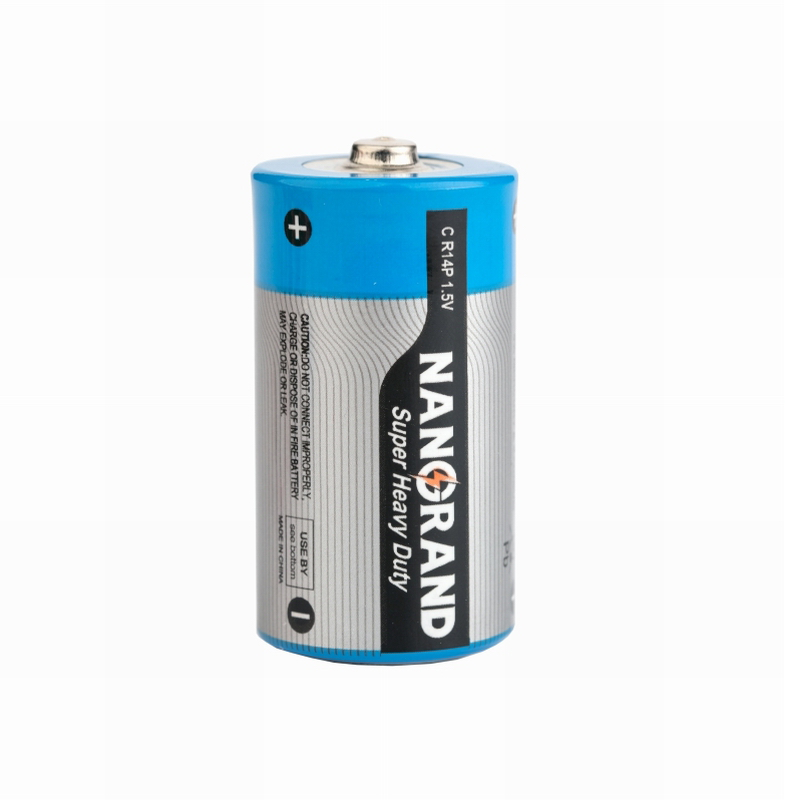
Selecting the right battery requires a hard look at performance metrics alongside procurement costs. Let us evaluate how these chemistries stack up across capacity, discharge rates, and unit pricing.
Energy density measures how much power a battery stores within its physical volume. Capacity, measured in milliampere-hours (mAh), tells you how long it can deliver a specific current. Alkaline batteries typically hold three to five times the energy capacity of standard carbon zinc cells. An AA alkaline battery might offer roughly 2500 mAh. A comparable carbon zinc cell might only provide 400 to 900 mAh.
You must assess your specific device needs. Does the product require long continuous runtimes? Does it need short, infrequent bursts of low power? Paying for 2500 mAh makes no sense if the device only consumes 2 mAh a month.
Internal resistance acts as a bottleneck for current flow inside the battery. High internal resistance restricts how fast power can exit the cell. The acidic electrolyte in carbon zinc creates higher internal resistance. This physically limits them to low-drain applications. If you force a high current draw, the voltage sags dramatically, and the device shuts down.
Alkaline cells feature very low internal resistance thanks to their potassium hydroxide electrolyte. They handle rapid, high-current delivery without significant voltage sag. They excel when motors spin up or bright flashes trigger.
Cost efficiency drives many manufacturing decisions. Carbon Zinc Batteries offer a distinct, undeniable per-unit cost advantage. The raw materials are cheaper. The manufacturing process is simpler. This significantly reduces the bill of materials (BOM) costs for consumer packaged goods. When you ship millions of units, saving pennies per battery translates to massive financial gains.
Alkaline batteries demand a higher initial investment. However, they reduce replacement frequency. They offer better long-term value for the end consumer in high-drain scenarios. You must weigh the upfront manufacturing savings against the consumer's operational experience.
| Feature | Carbon Zinc Cell | Alkaline Cell |
|---|---|---|
| Electrolyte Type | Ammonium/Zinc Chloride (Acidic) | Potassium Hydroxide (Alkaline) |
| Energy Density | Low to Moderate | High (3x to 5x higher) |
| Internal Resistance | High | Low |
| Discharge Curve | Sloping (Gradual drop) | Flat (Consistent until end) |
| Upfront Unit Cost | Very Low | Moderate to High |
Many product designers mistakenly over-engineer their power supplies. They specify premium batteries for simple devices. This wastes money. Understanding exact device profiles ensures you select the right tool for the job.
Carbon zinc cells shine when paired with specific electrical profiles. They perform beautifully when the demand is gentle.
Low-Drain Electronics: These include TV and media remotes, basic analog wall clocks, and simple desktop calculators. They also work well in low-power smoke detectors, specifically serving as a backup power source rather than the primary grid.
Intermittent Use Devices: Some devices sit idle for long periods. They only wake up occasionally to draw micro-amps of current. A hotel safe keypad or a simple kitchen timer fits this profile perfectly. The slow, sloping discharge curve handles these long idle periods gracefully.
Business strategy often dictates component choices just as much as engineering does. Controlling the final retail price remains critical in competitive markets.
"Batteries Included" Products: Consumers love products that work immediately out of the box. Manufacturers want to provide this functionality without inflating the retail price. Carbon zinc represents the most cost-effective solution here. You provide the convenience without sacrificing profit margins.
Promotional Goods: Marketing teams frequently distribute branded gadgets at trade shows. These include short-term event devices, disposable promotional electronics, or basic toys. These items have short lifespans by design. Equipping them with expensive, long-lasting power sources wastes marketing budget.
A common mistake occurs when manufacturers use alkaline batteries in promotional toys. The toy breaks or gets discarded weeks before the battery depletes. You pay for energy the consumer never uses.
Sometimes, engineering realities demand high performance. Skimping on power in power-hungry devices leads to immediate consumer frustration. You must recognize when high energy density becomes non-negotiable.
Alkaline cells conquer applications where current flows heavily and constantly. They handle spikes in demand effortlessly.
High-Drain Electronics: Think of digital cameras firing flashes. Consider motorized toys with multiple moving parts. High-lumen LED flashlights and wireless gaming controllers also drain power rapidly. High internal resistance would choke these devices. Alkaline delivers the necessary surge current.
Critical Smart Home Sensors: Smart homes require reliability. Smart door locks drive mechanical deadbolts. Continuous environmental monitors track air quality 24/7. Security peripherals require sustained voltage to maintain Wi-Fi or Zigbee connections. A voltage drop here causes network dropouts or lock failures.
Brand reputation relies heavily on user experience. A frustrating power experience quickly translates to negative online reviews.
Premium Brand Positioning: End-user frustration over short battery life poses a severe risk to premium brands. If you sell a high-end gaming mouse, the consumer expects weeks of uninterrupted play. Including a low-capacity cell damages the perceived value of your premium product.
Industrial and Field Use: Technicians rely on portable tools and testing equipment. Time is money in the field. Frequent battery swapping disrupts productivity. Workers need reliable, long-lasting power to finish their shifts without constant trips to the supply closet.
Watch out for placing low-capacity cells in medical monitoring equipment. The sloping discharge curve might trigger premature low-battery alarms, causing unnecessary panic for patients and extra work for nurses.
Purchasing batteries in bulk introduces logistical challenges. Procurement teams must manage warehouse conditions, forecast inventory turnover, and navigate safety regulations. A poor storage strategy ruins perfectly good inventory.
Batteries undergo internal chemical reactions even when disconnected. This self-discharge limits how long you can store them. You must align your purchasing volumes with your manufacturing run rates.
Carbon Zinc: You must plan for tighter inventory turns. They typically offer a 3 to 5-year shelf life. You should store them in strict climate-controlled environments. High heat accelerates their self-discharge rate, leading to premature degradation. Avoid stockpiling a five-year supply.
Alkaline: These support aggressive bulk procurement. Modern alkaline cells boast a 5 to 10-year shelf life. This allows procurement teams to secure massive volume discounts without fearing immediate inventory spoilage. They handle warehouse temperature fluctuations slightly better, though cool and dry conditions remain ideal.
Both chemistries can leak, ruining the devices they power. Understanding the mechanics helps you write better end-user manuals.
Leakage usually occurs when users leave fully discharged batteries inside a device. As the cell discharges entirely, the internal chemistry generates hydrogen gas. This gas builds pressure. Eventually, this pressure ruptures the safety seals. In alkaline cells, potassium hydroxide leaks out. This base reacts with carbon dioxide in the air to form potassium carbonate, creating a white, highly corrosive crystalline crust. This crust destroys circuit boards and battery contacts quickly.
Carbon zinc cells leak an acidic paste. While still damaging, it often proves slightly less aggressive on metal contacts than potassium hydroxide. Regardless, you must assess warranty risks associated with leakage. Instruct users clearly to remove batteries prior to long-term device storage.
Global environmental standards dictate how we manufacture and dispose of power cells. Modern manufacturing standards prohibit the addition of heavy metals like mercury and cadmium in both chemistries. They are considered non-toxic for standard household use.
However, commercial operations face different rules. You must review regional compliance laws for municipal waste disposal. While individuals can often throw these in household trash, bulk commercial operations typically require dedicated recycling programs. Partnering with certified e-waste handlers ensures your factory or assembly plant complies with local EPA or equivalent municipal guidelines.
Choosing between alkaline and carbon zinc batteries hinges entirely on the power profile of your target device. It also depends heavily on your purchasing context, whether you include them as an OEM accessory or use them for internal operations. Do not default to the most expensive option automatically.
We recommend defaulting to carbon zinc options to aggressively manage costs on low-drain, intermittent-use products like remotes and simple clocks. Conversely, you should invest in alkaline options for high-drain, continuous-use applications where longevity and operational reliability remain critical to user satisfaction.
Your next steps require precise action. First, audit your current device power requirements with your engineering team. Next, evaluate bulk pricing tiers from verified, reputable distributors. Finally, always test sample batches in real-world conditions before committing your organization to a massive bulk procurement contract. Proper alignment saves money and protects your brand.
A: Yes. They share the same physical dimensions (like AA or AAA) and the same nominal voltage of 1.5V. However, you will notice a severe performance drop. Carbon zinc cells deplete significantly faster in high-drain devices, requiring constant replacements.
A: Manufacturers use the "Heavy Duty" label for zinc chloride formulations. These offer slightly better performance and leak resistance than standard ammonium chloride versions. Despite the impressive name, they still fall far short of alkaline capacity.
A: Both chemistries leak when fully discharged or exposed to excessive heat. While alkaline battery leaks (potassium hydroxide) form white crystals that are highly corrosive to device contacts, carbon zinc acid leaks also damage electronics. Neither is immune to leakage.
A: No. Both standard alkaline and carbon zinc batteries are primary cells, meaning they are explicitly designed for single use only. Attempting to recharge them forces reverse chemical reactions, causing heat buildup, gas expansion, and dangerous rupture hazards.


