- All
- Product Name
- Product Keyword
- Product Model
- Product Summary
- Product Description
- Multi Field Search


Views: 0 Author: Site Editor Publish Time: 2025-12-30 Origin: Site


In today's tech-driven world, the 12V 23A alkaline battery is a must-have for powering small devices. From remote controls to security systems, this compact yet powerful battery plays a crucial role in everyday technology. In this article, you'll learn about the key features of the 23A battery, its uses, benefits, and how it compares to other battery types. We'll also cover how to recycle these batteries responsibly to protect the environment.
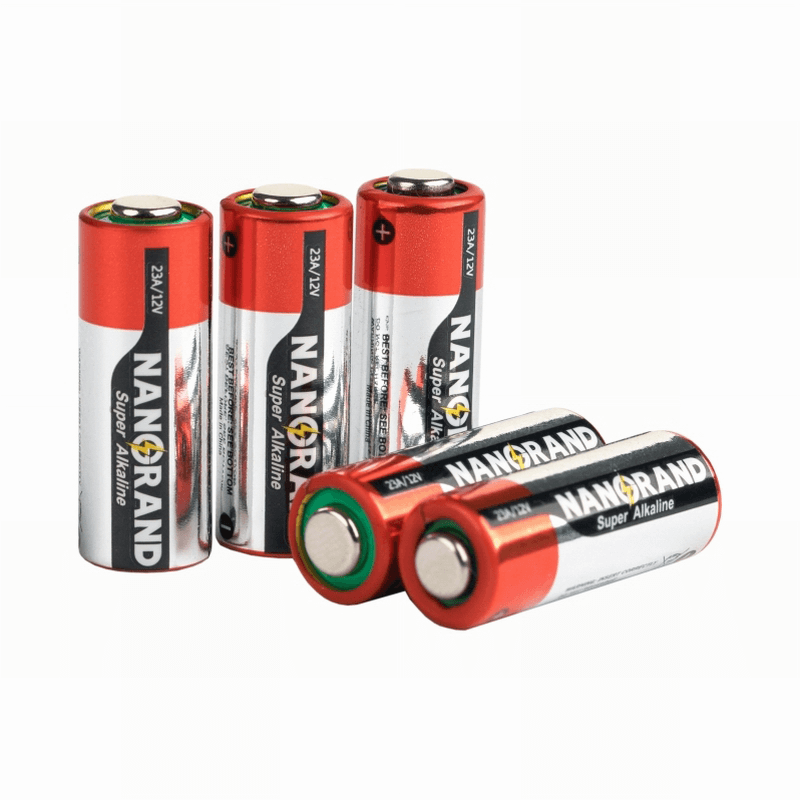
The 12V 23A alkaline battery, often known by other names such as A23, MN21, GP23A, and L1028, is a small, cylindrical battery designed to deliver a nominal voltage of 12 volts. It’s widely used in devices where space is limited but power requirements are still significant. Typically, it measures about 28-29 mm in length and 10-11 mm in diameter. This compact form houses a series of small button cells stacked together to provide the necessary voltage.
The chemistry behind the 23A battery is usually zinc-manganese dioxide (Zn-MnO2), making it an alkaline battery. These batteries are a popular choice due to their affordability, reliable performance, and relatively long shelf life. The robust chemistry ensures that these batteries can deliver consistent performance, even when used sporadically, which makes them ideal for various applications.
Inside the 23A battery, a stack of small button cells is arranged in series to achieve the desired 12V output. The battery typically offers a capacity of around 35-60 mAh for alkaline variants, which means it is designed for low-duty, intermittent usage rather than continuous high-drain applications.
With a discharge profile suited for short bursts of power, this battery works well in devices that need occasional, high voltage but don’t draw a large current for long periods. This makes it ideal for powering devices like remote controls or keyless entry fobs that require periodic pulses of energy. These batteries are efficient in devices that require infrequent use, ensuring they remain functional when needed most.
Feature | Description |
Voltage | 12V |
Capacity | 35-60 mAh |
Discharge Profile | Short bursts, low current |
Ideal Use | Remote controls, keyless entry fobs |
Application Type | Low-duty, intermittent usage |
The 23A battery is commonly used in devices where space is at a premium but power is still required. It’s found in a variety of everyday products, including:
● Remote Controls: For gate openers, car key fobs, and garage remotes.
● Security Systems: In wireless sensors and alarm systems that require compact, reliable power.
● Wireless Doorbells: Powering low-energy devices that use brief signals to alert the homeowner.
● Tire Pressure Monitors: Ensuring that sensors in vehicles are always powered and functional.
These applications highlight the importance of having a small, lightweight battery that can pack a punch in terms of voltage. In many cases, devices that need this battery are designed with limited space in mind, making the 23A an optimal choice due to its compact size.
The 23A battery is ideal for devices that don’t require constant power but need short bursts of energy. For example, the battery powers the RF signals in a remote control, sending out a pulse when you press a button. Similarly, motion sensors in security systems rely on the 23A battery for quick power surges rather than continuous energy.
It’s not suitable for devices that require continuous power, such as high-drain toys or LED flashlights, as the 23A is not designed to handle prolonged energy demands. However, for devices that experience intermittent usage, the 23A battery provides a long-lasting and reliable source of power.
One of the biggest advantages of the 23A battery is its cost-effectiveness. Alkaline batteries are often cheaper than other types of batteries, such as lithium or rechargeable options. The 23A is an affordable solution for powering low-drain devices like remote controls, ensuring that consumers don’t have to replace their batteries often.
For businesses or consumers who need to power a range of small devices that don’t require continuous power, switching to the 23A battery can offer significant savings over time. Its affordability, combined with its reliable performance, makes it a popular choice across many industries.
The 23A battery offers an impressive shelf life of 3-5 years for most alkaline versions. This makes it an excellent choice for emergency devices that may go unused for long periods. When you need them, they’re ready to perform without the worry of unexpected battery failure.
Because of its stable chemistry, this battery type maintains consistent performance over time, which is critical for devices that might be used sporadically, such as in key fobs or smoke detectors. This extended shelf life ensures that these devices are always ready to perform when needed.
For devices that need a compact yet powerful energy source, the 23A battery stands out. It delivers 12V in a small form factor, offering high voltage efficiency while requiring only low current. This makes it suitable for devices that need intermittent power rather than continuous high-current energy.
Compared to using multiple lower-voltage cells, which can be bulky and less efficient, the 23A’s small size and high voltage make it a more practical and effective solution. Its efficiency ensures that even small devices can maintain peak performance without the need for frequent battery replacements.
Core Advantage | Value |
High Cost-Effectiveness | Low cost, suitable for bulk purchases |
Long Shelf Life | 3-5 years, perfect for emergency stockpiling |
High Efficiency, Low Consumption | Small size, high voltage, suitable for intermittent power use |
When comparing alkaline 23A batteries to lithium batteries, the latter may offer advantages in certain areas, such as energy density and longevity. However, lithium batteries are often more expensive. For devices that don’t require continuous high power, the 23A battery remains a more budget-friendly option.
Lithium batteries may also last longer in high-drain applications, but for low-power, intermittent devices, the 23A provides an excellent balance of affordability and reliability. It’s the perfect choice for devices where long-lasting performance is required, but high energy output isn’t essential.
While rechargeable batteries like NiMH (Nickel-Metal Hydride) are a sustainable option, they don’t always match the longevity of alkaline batteries like the 23A. Rechargeable batteries tend to lose their charge over time, and their capacity decreases with each cycle. In contrast, the 23A battery can last for several years without the need for recharging, making it a more reliable choice for low-drain devices that are used infrequently.
Moreover, the 23A is much more cost-effective in the long run. Unlike rechargeable batteries, which need to be replaced after a certain number of charge cycles, the 23A battery can remain in use for many years, offering a longer lifespan for less money.
Battery Type | Advantages |
23A (Alkaline) | Affordable, long-lasting for low-drain devices |
Lithium | Higher energy density, longer lifespan |
Rechargeable (NiMH) | Sustainable, reusable |
It’s important to dispose of 23A alkaline batteries properly. Many local recycling programs accept these batteries, ensuring they don’t end up in landfills where they can release harmful chemicals. Consumers should be aware of disposal options in their area to minimize their environmental impact. Proper recycling can ensure that the materials used in the batteries are repurposed, reducing the overall environmental footprint.
When considering the environmental footprint of different battery types, alkaline 23A batteries are generally more eco-friendly than alternatives like nickel-cadmium or lithium-ion batteries. They contain fewer toxic metals and are more stable, which makes them easier to recycle.
Lithium-ion batteries, while efficient, often require more specialized disposal and can be harmful to the environment if not properly handled. Choosing alkaline batteries, like the 23A, can help reduce the overall environmental impact while still delivering reliable performance.
The 12V 23A alkaline battery is a small yet powerful solution for everyday devices. Its compact size, long shelf life, and affordability make it perfect for low-duty, intermittent devices like remote controls and security sensors. Suzhou Nanguang Battery Co., Ltd. offers these high-quality batteries, providing reliable performance and cost-effective power solutions. Their products help consumers and businesses meet their energy needs efficiently and sustainably.
A: A 23A battery is a small, cylindrical alkaline battery with a nominal voltage of 12V. It is commonly used in low-power devices like remote controls, key fobs, and security sensors due to its compact size and reliability.
A: A 23A alkaline battery typically lasts 3-5 years in storage. Its lifespan depends on the device's energy demands, with longer durations in low-drain devices.
A: No, a 23A battery is not suitable for high-drain devices like motorized toys or high-power flashlights, as it is designed for intermittent use with low energy consumption.
A: The 23A battery offers excellent value by providing reliable power at an affordable price, especially for low-duty devices that don’t require frequent battery changes.
A: Always recycle 23A alkaline batteries where facilities exist. Avoid throwing them in the trash, as they can be harmful to the environment. Many local recycling programs accept these batteries for safe disposal.


