- All
- Product Name
- Product Keyword
- Product Model
- Product Summary
- Product Description
- Multi Field Search


Views: 0 Author: Site Editor Publish Time: 2026-05-14 Origin: Site


Exporting standard dry cell batteries often creates a false sense of security. Because they are less regulated than high-capacity lithium-ion units, many exporters assume basic shipping methods will suffice. However, improper bulk packaging of standard consumer batteries routinely leads to crushed pallets, short-circuit fires, and expensive customs rejections. The legal and financial burden, commonly known as Shipper’s Liability, falls entirely on your shoulders. International freight carriers hold the exporter completely accountable for transit damages resulting from undeclared chemistries or substandard packaging. You must ensure every shipment meets strict transit safety standards before it ever leaves your facility.
This article provides a compliant, scalable, and operationally sound framework for internationally shipping dry cell batteries. You will learn how to secure cargo properly, avoid severe regulatory penalties, and maintain steady supply chain speed. We outline everything from terminal isolation techniques to bulk palletizing strategies.
Chemistry Dictates Compliance: Verify whether your AA/AAA/C/D cells are alkaline, NiMH, or lithium; lithium variants trigger entirely different IATA and DOT regulations.
Weight is the Enemy of Packaging: Standard void fillers (like packing peanuts or air pillows) fail under the high density of bulk batteries; rigid, woven cardboard is mandatory.
9V Batteries Require Terminal Isolation: The unique terminal design of 9V batteries makes them high-risk for short-circuiting; terminal taping or specialized blister packs are non-negotiable.
Palletizing Requires Non-Conductive Securing: Bulk exports must use plastic strapping and honeycomb dividers; metal strapping introduces short-circuit risks.
You must distinguish between standard alkaline, zinc-carbon, or NiMH power cells and lithium metal variants. You must perform this pre-evaluation step before packing a single carton. For instance, lithium versions of AA Batteries or AAA Batteries require strict UN packaging marks and specific handling protocols. Standard dry cells are generally exempt from strict UN dangerous goods classifications. Yet, they still fall under generic mandates enforced by aviation authorities. Both the FAA and IATA demand rigorous short-circuit prevention for all power sources.
You need to understand what actual short-circuit prevention means. Leaving a battery inside an unplugged device or charger does not count as short-circuit prevention. You must physically separate the metal terminals. The core compliance standard dictates robust outer packaging construction. The box must withstand standard transit shocks easily. This equals a rigid 1.2-meter drop test. Cells must not dislodge or cause terminal contact upon impact. If the carton breaks open during a routine drop, it fails the baseline safety standard.
International freight carriers strictly enforce Shipper’s Liability. They hold the exporter 100% liable for transit damages. If undeclared chemistries cause a cargo fire, you pay the financial penalties. Substandard packaging often triggers immediate carrier bans and legal investigations. Always verify your chemical declarations match your physical inventory perfectly. Ignorance of battery chemistry is never a valid defense in logistics compliance.
Batteries possess incredibly high density and weight. Traditional dunnage fails quickly under this extreme density. Materials like bubble wrap or plastic packing peanuts are completely ineffective. They collapse under the concentrated weight of heavier units like C Batteries and D Batteries. Instead, you must use rigid support structures inside the carton. We highly recommend recycled, heavy-duty protective weave cardboard. Custom die-cut foam inserts also perform exceptionally well. They prevent crushing and shifting during turbulent ocean or air transit.
Layering and segregation are equally vital for compliance. Never mix different battery chemistries in the same inner receptacle. You must keep alkaline and NiMH cells strictly separated. Inner packaging must separate individual cells physically. If a logistics handler inverts the master carton accidentally, the terminals cannot meet.
Cardboard dust frequently degrades battery contacts prior to retail deployment. You should wrap inner battery lots carefully. Use unbleached kraft paper or protective paper bags. This simple step protects the metal contacts from abrasive cardboard debris. It ensures peak performance upon arrival.
Use rigid dividers: Insert thick corrugated dividers between rows of heavy cells to prevent shifting.
Implement batch wrapping: Wrap small bundles of batteries tightly in non-conductive kraft paper.
Avoid loose space: Eliminate all empty air gaps inside the master carton using molded foam blocks.
Standardize orientation: Pack all cylindrical cells facing the exact same direction to prevent positive-to-negative contact.
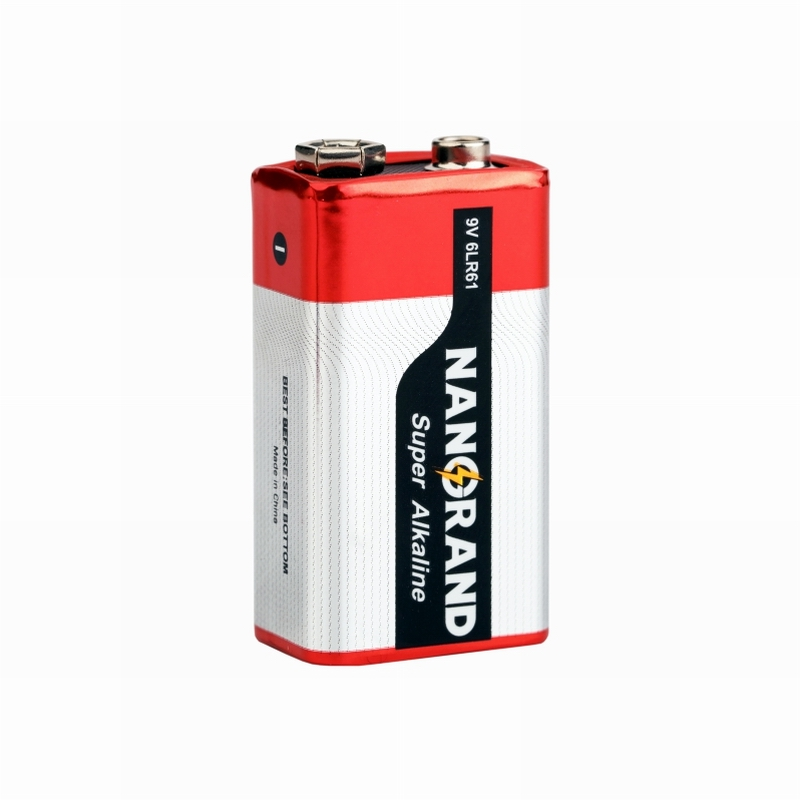
The unique physical design of 9V Batteries makes them extremely hazardous during transit. Both the positive and negative terminals sit exposed on the exact same side. This configuration is disproportionately responsible for dry-cell transit fires. A stray piece of metal or an adjacent battery can easily bridge the small gap between terminals. Once bridged, the cell discharges energy rapidly, causing heat buildup and potential ignition.
You must employ approved terminal protection methods. Regulatory bodies approve specific isolation techniques for international freight. You cannot skip these steps.
Individual non-conductive terminal taping: You must use transparent tape. Customs inspectors need to read the battery specifications and voltage markings without removing the protective layer.
Original manufacturer blister packaging: Keep the units inside their factory seals. This provides guaranteed physical separation and proves the items are new.
Specially molded plastic caps: You can also utilize rigid grid trays. These physical barriers lock the terminals apart securely and speed up the packing process.
Avoid dumping loose 9V cells directly into a master carton. This lazy practice is an immediate compliance violation. It creates a severe, uncontrollable fire hazard. Normal transit vibrations will connect multiple terminals rapidly. Safety inspectors routinely flag and seize bulk shipments featuring unsecured 9V terminals.
Palletizing bulk exports requires careful weight distribution logistics. Master cartons of heavier D or C cells must form your base layer. This simple structural rule prevents sudden pallet collapse. You should establish maximum weight-per-box limits immediately. Keep standard master cartons under 30kg (approximately 66 lbs). This precise limit ensures warehouse handler safety. It also maintains essential box integrity during heavy lifting.
Interlayer structuring protects the entire cargo load. You must mandate heavy-duty honeycomb boards between pallet layers. Thick corrugated sheets also work well. These rigid dividers distribute vertical weight evenly across the entire pallet footprint. They prevent bottom-layer blowout during severe transit vibrations or forklift handling.
You must secure the load safely. Never use steel or metal banding to secure battery pallets. A broken metal strap can easily puncture cardboard cartons. This introduces a massive short-circuit event across hundreds of live cells. Instead, you should follow established non-conductive best practices.
| Securing Method | Safety Rating | Compliance Status | Primary Risk/Benefit |
|---|---|---|---|
| Steel/Metal Banding | Extremely Low | Strictly Prohibited | High puncture risk; conducts electricity easily. |
| Loose Shrink Wrap Only | Poor | Non-Compliant | Fails to secure heavy loads; allows shifting. |
| High-Tensile PET Strapping | Excellent | Fully Compliant | Non-conductive; holds heavy weight securely. |
| PET Straps + Wooden Wedges | Superior | Best Practice | Wedges prevent straps from crushing carton edges. |
Use high-tensile plastic or PET strapping. Combine this flexible strapping with heavy-duty stretch wrap. Install wooden or thick plastic corner wedges. These wedges prevent the tensioned plastic straps from biting into the delicate carton edges.
Even unregulated alkaline power cells need proper paperwork. A current Safety Data Sheet (SDS), formerly known as an MSDS, from the manufacturer is legally mandatory. It must accompany your final export paperwork. This essential document proves the shipment does not contain restricted lithium. It also verifies the absolute absence of wet-cell lead-acid components. Without it, freight forwarders will reject the booking outright.
Maintain strict commercial invoice clarity. Avoid using generic terms like "Electronic Parts" or "Assorted Goods." Explicitly state the underlying chemistry and physical size. Write accurate phrases like "Alkaline AA Batteries - Dry Cell - Non-Hazardous." This specific language speeds up customs clearance significantly. It removes ambiguity for scanning agents.
Understand specific marking and labeling rules for global transit. Standard dry cells usually do not require Class 9 hazardous goods labels. However, you should include clear text markings. Indicate "Dry Cell Batteries - Not Restricted" directly on the outer carton. This aligns perfectly with Special Provision A123 for air freight. It streamlines the entire customs clearance process. It prevents frustrating holding delays at international borders and keeps your supply chain moving predictably.
Safe battery export relies on strict chemical verification, density-appropriate structural packaging, and absolute terminal isolation. Treating consumer cells with the same structural respect as industrial cargo prevents transit disasters. You must prioritize rigid void fillers over soft dunnage to manage extreme weight effectively.
To protect your global shipments, audit your current outbound packaging standard operating procedures immediately. Replace soft packing peanuts with rigid structural cardboard. Standardize transparent terminal taping for all 9V cells to eliminate severe fire risks. Finally, ensure your logistics partner carefully reviews your SDS documentation prior to booking freight. These actionable steps guarantee compliance and protect your bottom line.
A: Yes, provided they are in separate inner packagings. Their chemistries must match perfectly, such as both being alkaline variants. Additionally, you must individually isolate the 9V terminals using clear non-conductive tape or plastic caps to prevent accidental short circuits during transit.
A: Generally, no. Standard alkaline and NiMH dry cells do not require UN-certified performance packaging. However, the outer boxes must be strong enough to prevent shifting and short circuits during normal transit conditions. They should survive a standard 1.2-meter drop test without bursting.
A: This is a severe compliance violation. Lithium cells require distinct UN marks, strict State of Charge limits for air transport, and specific drop-test certified boxes. Misdeclaration can lead to seized cargo, massive regulatory fines, and permanent carrier bans for your business.


