- All
- Product Name
- Product Keyword
- Product Model
- Product Summary
- Product Description
- Multi Field Search


Views: 0 Author: Site Editor Publish Time: 2026-08-11 Origin: Site


Picture this frustrating scenario. A sudden power outage hits your neighborhood. You confidently grab your trusted emergency flashlight in the dark. You flip the switch, but nothing happens. You open the tail cap to investigate. Inside, you discover a ruined device covered in crusty, white battery acid. This common disaster highlights a crucial preparedness gap for many homeowners. While lithium and rechargeable options dominate high-end tactical gear today, the standard Alkaline Battery remains vastly superior in accessibility. It provides a highly cost-effective power source for everyday and emergency lighting needs.
Selecting the ideal power cell requires careful thought. You cannot simply grab the cheapest pack off the shelf. You must properly evaluate shelf life guarantees first. You must also analyze leak-proof engineering standards. Finally, you need an exact match to your flashlight's specific drain profile. This detailed guide breaks down these vital evaluation criteria. You will learn exactly how to match your power source to your intended use case securely.
Alkaline batteries are optimal for low-to-medium drain LED flashlights and long-term emergency kits, but are not recommended for high-lumen tactical lights.
Evaluation should prioritize leak resistance certifications and verified shelf-life duration over generalized marketing claims.
Matching battery size (AA, AAA, C, D) to specific use cases—such as EDC (Everyday Carry) vs. heavy-duty searchlights—determines reliability and runtime.
Preventative maintenance, such as removing batteries during long-term storage, is mandatory to protect high-value flashlights from alkaline leakage.
To understand flashlight performance, you must first understand fundamental battery chemistry. An alkaline cell utilizes a reaction between zinc metal and manganese dioxide. This specific chemical interaction delivers a nominal voltage of 1.5 volts. However, this voltage does not remain perfectly flat during use. It provides a steady, predictable taper instead. The electrical output gradually decreases as you consume the stored energy.
This voltage taper creates a distinct operational advantage. Your flashlight beam will gradually dim over several hours. It will not suddenly shut off and leave you stranded in complete darkness. This gradual fading acts as a natural, built-in warning system. It tells you exactly when to grab replacement cells.
You should choose an alkaline power source for specific applications. They are absolutely ideal for emergency preparedness kits. They excel in household utility lights and low-drain scenarios. You prioritize immediate accessibility and low upfront costs in these situations. You can find these cells in almost every convenience store globally. This universal availability makes them irreplaceable for standard household readiness.
However, transparent acknowledgment of limitations remains crucial. You must avoid using an Alkaline Battery in certain high-demand situations. Never use them in high-drain tactical flashlights exceeding 1000 lumens. High-output LEDs demand massive, instantaneous energy draws. An alkaline cell simply cannot discharge energy fast enough to meet this demand. The internal resistance causes massive voltage drops. This severely throttles your tactical flashlight's maximum brightness. Furthermore, sub-freezing temperatures drastically slow down the internal chemical reaction. This temperature drop practically paralyzes the power output during winter camping trips.
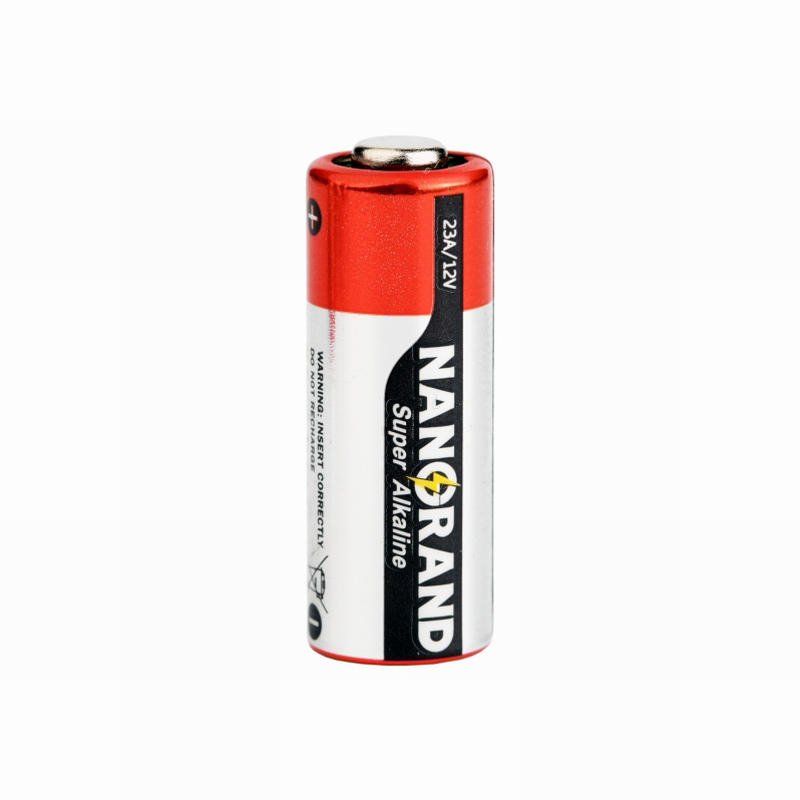
The market offers countless brands claiming superior performance. You must cut through the marketing noise. You need objective criteria to judge true manufacturing quality. Focus your evaluation on structural engineering, verified longevity, and actual discharge capacity.
Evaluating leak resistance engineering should be your primary concern. A cheap $1 cell can easily destroy a $100 premium flashlight. Premium tier manufacturers invest heavily in structural improvements to prevent this exact catastrophe. They utilize advanced nylon seals instead of basic plastic caps. They incorporate anti-corrosion materials inside the steel casing. Some top-tier brands even reinforce the cell walls to handle gas expansion.
These structural upgrades matter immensely. Potassium hydroxide serves as the internal electrolyte. This substance expands naturally as it discharges. Inferior seals easily rupture under this pressure. Upgraded seals safely contain the expanding electrolyte. They protect your expensive electronics from highly corrosive damage.
You must differentiate between standard and premium shelf life claims carefully. Basic generic cells typically offer a standard 3 to 5-year shelf life. Premium name-brand options confidently advertise a 10-year guarantee. These guarantees assume perfect storage conditions. Environmental factors heavily degrade these laboratory guarantees in real-world storage.
Excessive heat accelerates the internal chemical degradation process. High humidity promotes external contact rusting. You must store your supplies in cool, dry environments to achieve these verified timelines. A 10-year battery stored in a hot car trunk may only survive three years safely.
Milliamp-hour (mAh) ratings determine your total potential runtime. However, you must evaluate these ratings in context. Flashlight use patterns dramatically alter actual capacity yields. Continuous use drains energy differently than intermittent use.
If you leave a flashlight running continuously, the cell heats up. The internal resistance increases rapidly. This lowers the total usable mAh. Conversely, intermittent use allows the internal chemistry to recover slightly between uses. This resting period maximizes your total energy extraction.
| Storage Environment | Average Temperature | Expected Shelf Life Retention | Leak Risk Profile |
|---|---|---|---|
| Climate-Controlled Indoors | 65°F - 75°F | 95% - 100% of Guarantee | Very Low |
| Uninsulated Garage | 30°F - 95°F | 60% - 70% of Guarantee | Moderate |
| Vehicle Glovebox | 10°F - 130°F | Below 40% of Guarantee | Extremely High |
Matching the correct form factor to your specific flashlight dictates overall reliability. Different sizes offer wildly different capacity reserves. You must understand the inherent trade-offs between physical bulk and runtime.
The AA and AAA sizes dominate the compact lighting market. They are best suited for EDC (Everyday Carry) lights. You will also find them powering headlamps and compact inspection penlights. These small formats offer unmatched convenience. You can easily carry spare sets in a pocket or backpack.
However, strict trade-offs exist. The small physical volume restricts the total chemical payload inside. This severely limits your total runtime under continuous load. A high-output AA flashlight might only sustain peak brightness for forty-five minutes. They require frequent replacement during extended power outages.
The heavier C and D sizes serve completely different functional purposes. They are best suited for heavy-duty Maglites and large camping lanterns. You should use them for extended-run emergency floodlights. These massive cylinders hold tremendous amounts of zinc and manganese dioxide.
The trade-offs here involve substantial physical bulk. Flashlights utilizing D cells feel exceptionally heavy. They are cumbersome to carry for long distances. Yet, they offer vastly superior capacity reserves. They deliver prolonged, highly stable output. This makes them absolute necessities for extended grid-down scenarios.
| Battery Size | Estimated Capacity (mAh) | Ideal Flashlight Pairing | Weight Profile |
|---|---|---|---|
| AAA | 800 - 1,200 | Keychain lights, medical penlights | Ultra-light |
| AA | 1,800 - 2,800 | EDC lights, standard headlamps | Light |
| C | 6,000 - 8,000 | Mid-size duty lights, small lanterns | Medium |
| D | 12,000 - 18,000 | Heavy searchlights, large lanterns | Heavy |
Your purchasing strategy should directly reflect your intended usage scenario. Stop buying generic bulk packs for every single lighting tool you own. Tailor your selection using the following matrix.
Emergency scenarios demand absolute reliability above all else. You might not touch these flashlights for five years. When you finally need them, they must work instantly.
Core Requirement: Maximum shelf life guarantees and a highly gradual degradation curve.
Recommendation Strategy: Bulk procurement is essential here. Purchase 10-year rated, name-brand cells specifically.
Storage Advice: Keep these reserves stored strictly in climate-controlled indoor environments. Keep them far away from uninsulated garages or damp basements.
Everyday household tasks present a much lower risk profile. Looking behind the sofa or inspecting a leaky sink does not require military-grade reliability.
Core Requirement: High cost-efficiency and immediate availability.
Recommendation Strategy: Standard multi-packs work perfectly here. You can utilize store-brand options safely.
Performance Reality: Performance differences between standard and premium tiers are practically negligible for quick five-minute tasks. Save your budget for the emergency reserves.
Outdoor environments introduce unpredictable variables. Moisture, drops, and temperature swings affect performance.
Core Requirement: Moderate durability and steady, predictable illumination.
Recommendation Strategy: You must assess weather conditions first. Are you expecting temperatures to drop below freezing? If so, pivot entirely to lithium primary cells.
Mild Weather Tactic: For moderate spring or summer camping, high-tier alkalines suffice perfectly. Ensure your chosen brand advertises heavy-duty leak protection.
Even premium power cells require diligent user maintenance. Poor habits ruin excellent equipment. You must implement strict risk management protocols to protect your investment.
You must never mix different battery brands inside a single flashlight. Furthermore, never combine different chemistries or varying age levels. Doing so creates a dangerous electrical imbalance. The flashlight continuously draws a uniform current. The weakest cell in the series depletes much faster than the others.
Once this weak cell empties, the stronger cells force it into "reverse polarity." This over-discharges the empty cell violently. The internal gases expand rapidly. This action practically guarantees a severe chemical leak. Always replace the entire set simultaneously using identical cells.
Long-term storage demands preventative action. A simple rule of thumb prevents most disasters. You must remove any Alkaline Battery from a flashlight if the device will sit unused for more than 30 to 60 days. Devices can harbor microscopic parasitic drains. Even when powered off, tiny electrical connections can slowly deplete the cell. Breaking this electrical circuit entirely is your safest defense mechanism.
If you discover a leak early, you might still save the flashlight. White, crusty corrosion indicates a mild leak. The internal potassium hydroxide is highly basic, not acidic. Therefore, you need a mild acid to neutralize it properly.
Safety First: Put on protective safety glasses and standard nitrile gloves. The crusty residue irritates human skin easily.
Extraction: Carefully pull out the damaged cells. Dispose of them according to local hazardous waste guidelines immediately.
Neutralization: Dip a cotton swab into ordinary household white vinegar or fresh lemon juice. Both liquids provide safe, mild acidity.
Scrubbing: Gently rub the wet swab over the corroded metal contacts. You will hear a slight fizzing sound. This confirms the chemical neutralization process.
Drying: Wipe the contacts completely clean using a dry paper towel. Ensure absolutely zero moisture remains before inserting a fresh set of cells.
Finding the right alkaline battery ultimately requires a calculated approach. You must balance the monetary value of your device against specific drain requirements and harsh storage conditions. A cheap power source often becomes wildly expensive if it destroys a premium lighting tool. You should view premium cells as cheap insurance policies for expensive electronics.
For high-value flashlights or critical survival gear, you must prioritize premium alkalines. Demand strict leak-proof guarantees and verified ten-year shelf lives. Conversely, for low-cost household utility lights, standard store-brand alkalines offer the best return on investment.
Take immediate action today. Go audit your current emergency flashlight supplies. Open the tail caps and check for hidden corrosion. Check the expiration dates printed on your spare boxes. Replace any aging, questionable stock immediately based on the specific evaluation criteria provided in this guide. Your future self will thank you during the next unexpected blackout.
A: Yes, you can use one if the voltage closely matches the flashlight's requirements. However, it will severely throttle performance. The rapid energy drain increases internal resistance massively. This causes steep voltage drops, limiting your maximum brightness. It also significantly increases the risk of chemical leaks.
A: They leak due to internal gas expansion. The potassium hydroxide electrolyte reacts chemically as it discharges energy. This reaction creates hydrogen gas. During deep discharge or prolonged storage, pressure builds up inside the steel casing. Eventually, this pressure ruptures the structural seals, forcing the corrosive paste outward.
A: The raw capacity differences between premium and generic cells are somewhat marginal. Premium options typically offer only a slight runtime increase. However, the significant differences lie in leak-proof engineering and shelf life guarantees. Premium brands utilize superior seals, greatly reducing the risk of destroying your flashlight.
A: You should observe a strict, conservative timeline. Remove the cells if the device will sit unused for more than 30 to 60 days. Breaking the electrical circuit entirely prevents parasitic battery drain. This simple habit remains the most effective way to prevent ruinous chemical leaks.


