- All
- Product Name
- Product Keyword
- Product Model
- Product Summary
- Product Description
- Multi Field Search


Views: 0 Author: Site Editor Publish Time: 2026-04-10 Origin: Site


Some battery-powered products are expected to deliver more from the moment they are switched on. A lantern needs to stay bright for hours, a radio should keep playing without fading, and backup equipment must work when it is finally needed. That is where the Alkaline Battery in D size still proves its value. NANGRAND, the official brand name of Suzhou Nanguang Battery Co., Ltd., supplies a wide range of battery products for global markets, and its LR20 batteries are designed for devices that need stronger support, longer service time, and reliable everyday performance.
D size batteries are sometimes seen as old-fashioned, but their value comes from performance, not age. Their larger body allows them to support longer runtime and more sustained output than smaller formats in equipment that places heavier demands on the battery.
That matters because not all devices use power in the same way. A small remote control and a large lantern do not ask the same thing from a battery. Products with brighter lights, stronger motors, louder speakers, or longer operating sessions can drain smaller batteries quickly. In those cases, frequent replacement becomes inconvenient and frustrating. D size alkaline batteries remain useful because they are built for endurance.
Their importance also comes from real-life use. Many households still rely on battery lanterns, larger flashlights, radios, toys, and backup products. Commercial users depend on dispensers, portable tools, and field devices that need longer working time. In these situations, LR20 is not just another size. It is the right power format for products that need more than compact batteries can comfortably provide.
D size alkaline batteries are often the best fit for household products that need both strength and runtime. Lanterns are a clear example. They are often used outdoors, during travel, or in emergencies, so the battery must support bright and stable light for an extended period. Larger flashlights follow the same logic. When a product is meant for more than short, occasional use, the user wants a battery that can keep the light useful for longer.
Portable radios also match this format well. A radio used in the garden, on a trip, or as part of a home emergency kit should not need constant battery changes. Certain speakers and larger battery-powered toys also benefit from the stronger support of LR20 batteries, especially when sound, movement, or lighting features increase energy demand.
For these products, D size power is not simply about using a bigger battery. It is about matching the battery to the way the device is actually expected to perform. NANGRAND’s LR20 alkaline battery line fits this need by offering dependable output, long endurance, and protection against leakage in everyday use.
Some devices are not used every day, but they must work immediately when needed. Emergency lanterns, backup flashlights, portable warning devices, and certain safety products fall into this category. For them, battery quality is judged not only by runtime, but also by storage performance.
That is one reason alkaline D batteries remain valuable. Their long shelf life helps them support products that may sit unused for weeks or months. When the moment comes, users want stable performance without surprises. A battery that loses power too quickly in storage or weakens immediately under load can turn an important device into a poor experience.
This is where NANGRAND’s focus on long-lasting power and anti-leakage protection becomes especially relevant. For backup applications, buyers care about a simple question: will the device still work when needed? A dependable LR20 battery helps answer that question with confidence.
D size batteries are also useful in commercial settings. Dispensers, sensors, portable testing equipment, handheld tools, and other work-use devices often benefit from longer runtime and less frequent replacement. In these environments, battery choice affects maintenance, operating continuity, and convenience.
If a larger battery reduces downtime and replacement frequency, it becomes a practical advantage. LR20 alkaline batteries provide a ready-to-use solution for equipment designed around larger cells, especially where charging routines are not ideal. For many buyers, that makes D size a straightforward and efficient option rather than a niche format.
Device Type | Why D Size Works | What Buyers Care About Most |
Lanterns and large flashlights | Longer runtime and stronger light support | Endurance, brightness, easy replacement |
Radios and speakers | Better support for audio output over time | Stable performance, fewer battery changes |
Toys and larger electronic products | Handles higher demand from lights, sound, or motion | Runtime, value, consistent output |
Emergency and backup equipment | Reliable standby power after storage | Shelf life, leak resistance, readiness |
Commercial devices and tools | Reduces replacement frequency in working environments | Lower maintenance, steady power, reliability |
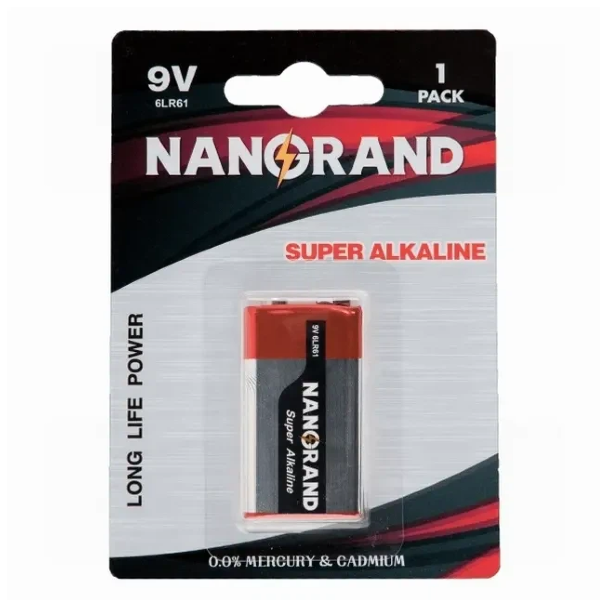
One reason users still choose LR20 alkaline batteries is convenience. Rechargeable systems can work well in some situations, but they also require chargers, planning, and downtime. Many buyers prefer a battery they can install immediately and replace easily.
Disposable D size alkaline batteries remain attractive because they are ready to use at once. There is no waiting before installation and no extra equipment to manage. For households, retailers, and field users, that simplicity has real value. It makes the battery easier to use and easier to sell as a practical solution.
Long runtime adds to that convenience. A battery that lasts longer means fewer interruptions and fewer replacement cycles. In products used outdoors, in emergencies, or over long sessions, that straightforward reliability is exactly what many users want.
Battery value is not only about active use. Storage behavior matters as well. Many D size batteries are bought in advance, kept in reserve, or installed in products that are not switched on every day. In these cases, long shelf life becomes a major advantage.
Leak protection is just as important. A battery that damages a device through leakage can create far greater cost than the battery itself. That is why anti-leakage design is a real user benefit, not just a technical feature. NANGRAND’s alkaline battery range is positioned around sustainable power and dependable protection, helping buyers feel more secure about both the battery and the device it powers.
LR20 alkaline batteries and rechargeable D batteries are often compared, but they are different product categories. A standard LR20 battery is a one-time-use alkaline battery designed for simple installation, stable output, and easy replacement. A rechargeable D battery is meant for repeated charging cycles and a different usage routine.
For many users, the question is not which one is universally better, but which one fits the application better. Alkaline LR20 batteries are often preferred when the device is used occasionally, stored for backup, sold to general consumers, or expected to work immediately without charging preparation. Rechargeable options may suit products used very frequently by people who already manage charging equipment.
The key point is clarity. Buyers should not assume that every D-format battery works in the same way. Good product content helps explain where standard alkaline LR20 batteries are the better fit: simple replacement, broad familiarity, long storage life, and dependable performance in long-runtime equipment.
A larger battery is useful only when the device actually benefits from it. D size becomes the better choice when runtime, steady output, and reduced replacement frequency matter more than keeping the product small. This often applies to larger lighting products, battery-powered audio products, safety equipment, and some work-use devices.
In these situations, choosing D is not about buying the biggest battery. It is about matching the battery to the real demands of the device. If a product is meant to run longer, brighter, or under heavier load, a smaller battery may only lead to shorter service time and more frequent replacement.
At the same time, not every device needs D size power. Compact electronics, lightweight accessories, and low-demand products are often better served by AA or other smaller batteries because size, weight, and battery compartment design still matter. D batteries are a strong answer for the right equipment, but not a universal answer for everything.
That practical distinction helps buyers choose more confidently. The value of LR20 comes from fit, not excess. When the device truly needs longer runtime and stronger support, D size remains one of the most useful alkaline battery formats on the market.
D size batteries still have a clear place in the market because many devices require longer runtime, stronger support, and dependable standby performance that smaller batteries cannot provide as comfortably. For lanterns, large flashlights, radios, backup equipment, and many commercial applications, an alkaline battery in LR20 format remains a practical solution. NANGRAND brings this value to global customers through stable production, long-lasting performance, and anti-leakage protection designed for real use. If you are looking for reliable D Size LR20 Alkaline Battery products for retail, distribution, or OEM cooperation, contact us to discuss your battery needs and business opportunities.
LR20 is the alkaline designation for a standard D size battery. D battery is the common market name, while LR20 is often used in catalogs and packaging.
They are commonly used in lanterns, large flashlights, radios, speakers, toys, emergency lighting products, and some commercial devices that need longer runtime.
Yes. LR20 batteries are often chosen for devices that run longer, brighter, louder, or under heavier power demand than smaller batteries can support efficiently.
Buyers value dependable power, long shelf life, anti-leakage protection, and stable supply support. NANGRAND combines these benefits with large-scale battery production for international markets.


