- All
- Product Name
- Product Keyword
- Product Model
- Product Summary
- Product Description
- Multi Field Search


Views: 0 Author: Site Editor Publish Time: 2026-05-13 Origin: Site


Procuring power cells for your business goes far beyond a simple office supply run. It acts as a highly strategic facility management decision. Every automated sensor, security lock, and sanitation dispenser relies on consistent energy to function. These small components dictate the overall flow of daily operations.
Relying on consumer-grade batteries in demanding commercial environments quickly inflates hidden maintenance expenses. Such habits inevitably lead to premature device failures and disruptive operational snags. You simply cannot afford unexpected power loss across critical facility infrastructure. A dying electronic door lock blocks employee access. A failing soap dispenser creates severe hygiene compliance issues.
This comprehensive guide provides a practical framework specifically designed for facility managers and procurement officers. It will help you evaluate, shortlist, and securely purchase reliable commercial-grade options. You will learn to base your buying decisions on verifiable operational data instead of generic marketing claims. We will show you how to source quality Alkaline Batteries to keep your buildings running smoothly.
Device-Specific Matching: High-drain devices (motors/pumps) require different battery architectures than low-drain devices (sensors/keypads).
Industrial vs. Retail: Commercial alkaline batteries offer superior thermal tolerance (-4°F to 129°F), stricter leak protection, and bulk-scale consistency.
Strategic Procurement: Factoring in shelf life (up to 10 years) and supplier recycling programs is critical for large-scale deployments.
Business owners often fixate heavily on upfront unit pricing. They forget the heavy financial toll of human labor. The real expense always lies in the replacement process. A maintenance technician earns a standard hourly wage. They must travel to the failing equipment. They must dismantle the protective casing. Finally, they swap the exhausted cells.
This repetitive manual cycle costs significantly more than the battery itself. Imagine a technician earning twenty-five dollars an hour. Replacing a single device's power source takes fifteen minutes. The labor alone costs over six dollars. The raw materials might cost less than a dollar. If you purchase industrial-grade Alkaline Batteries, you extend service cycles remarkably. A battery lasting 30% longer directly slashes your labor overhead. You reclaim hundreds of wasted maintenance hours annually.
Modern commercial facilities host hidden "vampire" devices. These automated fixtures quietly consume massive amounts of power. Common heavy-draw machines include:
Automatic bathroom soap and sanitizer dispensers
Touchless water faucets in high-traffic restrooms
Electronic RFID security door locks
Motorized smart window blinds
These gadgets pull heavy loads daily. They trigger rapid power depletion if you rely on retail-grade solutions. Consequently, your facility management team drowns in endless maintenance tickets.
Furthermore, unpredictable power deaths create severe operational risks. Sudden failures compromise safety protocols across critical infrastructure. Commercial smoke alarms require unyielding power stability at all times. Security keypads must operate flawlessly during emergencies. Medical monitoring equipment simply cannot afford unexpected voltage drops. Unpredictable failures here invite heavy regulatory fines. They also pose serious safety liabilities. Choosing robust commercial cells prevents these dangerous security lapses altogether.
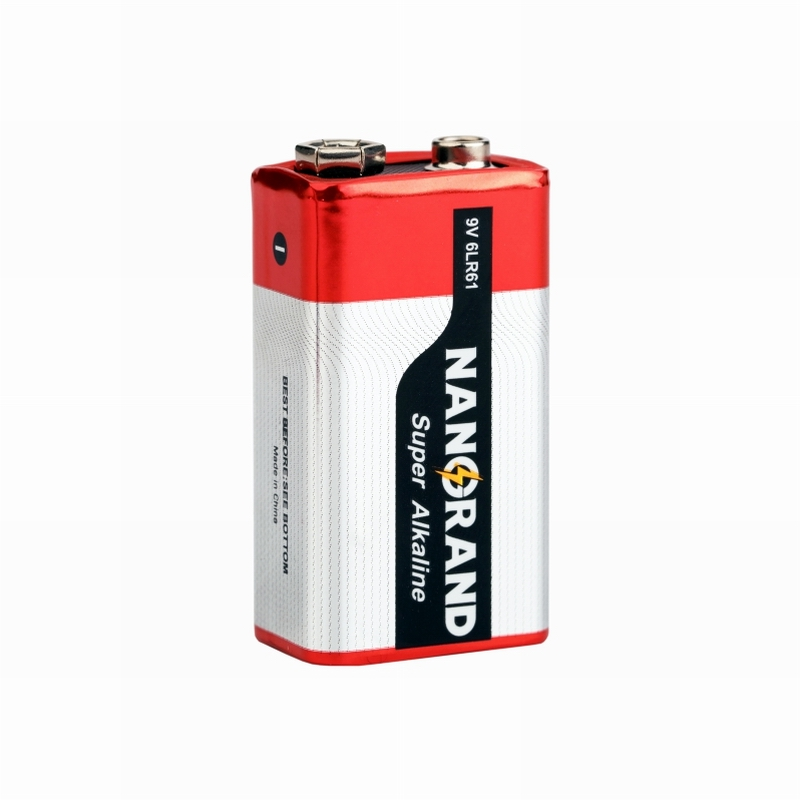
Different hardware demands vastly different energy delivery methods. You cannot blindly apply a universal power strategy across all assets.
Many commercial gadgets sip power very slowly. They operate continuously over several years without interruption. Typical low-drain profiles include digital wall thermostats, standard office clocks, and basic environmental sensors. These tools require a highly reliable baseline capacity. They rarely pull massive bursts of energy. Instead, they demand robust leak-proof casings. The power source sits dormant inside the hardware for years.
A cheap retail option often corrodes over long periods. It eventually leaks corrosive acid. This leakage destroys delicate internal circuit boards. Therefore, you must prioritize structural seal integrity over peak energy output. Reliable Alkaline Batteries provide this necessary physical durability.
Other machines demand completely different performance characteristics. High-drain equipment requires sudden, precise energy pulses. They use these aggressive electrical spikes to drive physical mechanical movement. Smart lock motors must turn heavy internal deadbolts. Automatic paper towel dispensers must rapidly rotate dispensing gears.
Standard retail units struggle significantly here. The sudden mechanical demand causes a severe internal voltage drop. The hardware falsely assumes the power source has died. It then triggers an annoying low-voltage lockout mode.
Specialized high-drain Alkaline Batteries solve this exact engineering hurdle. They utilize highly optimized zinc formulations. They also feature densely packed manganese dioxide materials. This advanced chemistry handles sudden power spikes easily. It ensures your mechanical motors activate consistently. You avoid triggering false replacement alarms entirely.
| Equipment Type | Power Draw Profile | Common Facility Examples | Core Chemistry Requirement |
|---|---|---|---|
| Basic Sensors & Clocks | Low-Drain (Constant Draw) | Thermostats, Remotes, Smoke Detectors | Leak-proof casing, steady baseline voltage |
| Motorized Mechanisms | High-Drain (Pulse Draw) | Smart Locks, Automated Dispensers | Optimized zinc/manganese, spike handling |
Many procurement buyers assume all cylindrical cells are chemically identical. This dangerous assumption causes extremely expensive operational mistakes. Industrial-grade variants feature highly specialized engineering upgrades. They outlast consumer versions under immense stress.
Commercial cells utilize advanced internal thermal management designs. They effectively prevent dangerous thermal runaway conditions. This proves incredibly crucial in harsh industrial environments. Standard versions degrade rapidly inside extremely hot distribution warehouses. They also fail miserably inside uninsulated outdoor access panels.
Industrial units maintain incredibly consistent discharge curves. They deliver steady, reliable voltage regardless of external environmental stress. This stability grants you highly predictable performance across your entire real estate portfolio.
Extreme weather absolutely ruins basic retail options. Standard industrial operational limits range from -4°F to 129°F. Consumer variants fail prematurely outside comfortable room temperatures. High ambient heat severely accelerates their internal self-discharge rates. Extreme cold radically slows down their internal chemical reactions.
Consequently, a retail cell placed in a freezing loading dock dies almost instantly. You must always deploy industrial-grade Alkaline Batteries in unclimate-controlled zones. They endure these hostile conditions effortlessly.
Physical packaging also firmly separates commercial from retail models. Retail products feature bright, thick aesthetic blister packs. They look highly appealing on supermarket shelves. However, unpacking them wastes valuable maintenance hours. Technicians struggle to cut open the thick plastic. They also generate massive amounts of non-recyclable waste.
Industrial models boldly prioritize functional bulk packaging. They arrive in simple, easily accessible cardboard trays. Your technicians can grab them instantly during rounds. This efficient packaging drastically reduces unpacking delays. It also significantly lowers your facility's environmental footprint.
Procurement officers frequently debate between varying chemical compositions. You must carefully balance upfront material costs against long-term longevity. Both chemistries hold distinct advantages for specific applications.
Alkaline cells represent the undisputed champions of overall commercial utility. They provide the most cost-effective solution for roughly 80% of standard business applications. They generously offer an impressive 5-to-10-year shelf life. You get excellent baseline reliability for everyday mechanical tasks. If you manage indoor office equipment, nothing beats their overall financial efficiency. Standard industrial Alkaline Batteries reliably power daily operations without breaking budgets.
However, certain environmental situations strictly demand a premium upgrade. We objectively acknowledge these specific extreme use cases. You should strongly consider upgrading to lithium alternatives when:
You operate equipment in extreme freezing environments dropping down to -40°F consistently.
You install highly inaccessible sensors requiring a 15-to-20-year shelf life to avoid dangerous climbs.
You must strictly meet precise weight-reduction requirements, as lithium weighs roughly 30% less.
In these rare scenarios, the significantly higher upfront cost makes logical sense.
We highly recommend adopting a very simple logical rule for your procurement team. First, calculate the human labor cost required to physically reach the hardware. Does this specific labor expense exceed the high cost of a premium lithium cell?
For example, replacing a ceiling smoke detector requires renting a scissor lift. The labor involves two technicians and an hour of work. In this highly inaccessible scenario, you should absolutely upgrade. Otherwise, stick to industrial options. They will consistently maximize your return on investment for easily accessible hardware.
| Operational Scenario Factor | Recommended Chemistry | Primary Strategic Reasoning |
|---|---|---|
| Standard Indoor Climate Control | Industrial Alkaline | Cost-effective, reliable daily performance. |
| High Hardware Accessibility | Industrial Alkaline | Human labor required to swap is minimal. |
| Extreme Freezing Storage (-40°F) | Lithium | Maintains core voltage in severe cold. |
| Hard-to-Reach Ceiling Sensors | Lithium | High labor cost easily justifies longer lifespan. |
Selecting a truly reliable vendor requires rigorous internal assessment. Do not blindly trust the cheapest catalog price you find online. A cheap product often hides critical manufacturing flaws. Use these four exact criteria to evaluate prospective suppliers properly.
First, always demand clear manufacturer data regarding performance. You need documented proof of flat discharge rates. High-quality vendors happily guarantee a stable 10-year storage stability. They will eagerly provide detailed technical spec sheets. Review these engineering documents closely. Ensure the voltage curve matches your specific equipment demands perfectly.
Second, you must check for highly advanced seal technologies. A cheap leaked battery easily destroys a $150 commercial soap dispenser. The acidic corrosion ruins internal circuit boards instantly. Your supplier must confidently offer robust structural integrity guarantees. Quality Alkaline Batteries utilize double-crimped nylon seals. They prevent internal chemical expansion from breaching the exterior casing.
Third, properly evaluate the supplier’s end-to-end lifecycle support. Modern businesses must meet very strict ESG (Environmental, Social, and Governance) goals. Look for vendors actively providing bulk commercial recycling programs. They should readily supply specialized collection bins for your maintenance closets. They must also handle the complex legal compliance of mass disposal.
Finally, deeply assess the vendor’s overall supply chain capabilities. They must consistently deliver your exact required commercial SKUs. Global supply chain shortages happen quite frequently today. A weak vendor will desperately try to force incompatible substitutes upon you. A robust supplier actively maintains deep domestic inventory reserves. They guarantee your facility never runs completely out of essential power supplies.
Buying the cheapest bulk power cells creates a very dangerous false economy. Poor-quality variants leak, die unpredictably, and drive up maintenance hours astronomically. Quality commercial options actively protect your expensive hardware investments. They drastically reduce the precious time your technicians spend unscrewing access panels.
We highly encourage you to audit your current operations today. Identify your top five most frequently serviced battery-operated devices. Closely track exactly how often your team replaces their power cells. Analyze this specific data thoroughly. Determine whether shifting to high-drain industrial Alkaline Batteries will yield positive financial returns immediately. Smarter power choices fundamentally streamline your operations and aggressively protect your bottom line.
A: High-drain industrial batteries are chemically optimized for precision energy delivery. Commercial soap dispensers contain small internal motors. They require sudden pulse energy to dispense thick liquids. Industrial cells handle these heavy power spikes effortlessly. They drastically reduce premature voltage drops. Retail cells falsely read as empty during these sudden mechanical spikes.
A: You must absolutely never mix old and new cells together. They possess drastically varying internal electrical resistance levels. The newer cell will inevitably attempt to charge the older, weaker one. This dangerous mismatch leads directly to rapid power drainage, excessive overheating, and severe chemical leaks.
A: Extreme cold safely slows down internal chemical reactions. This physical effect reduces immediate power output temporarily but preserves overall shelf life. Conversely, high heat severely accelerates internal self-discharge. It ruins long-term longevity. You should strictly store your power cells in dry, room-temperature environments to ensure maximum efficiency.
A: Yes, they perform significantly better in almost every metric. Alkaline chemistry offers substantially higher energy density. It also provides a much flatter discharge curve over its entire lifespan. This modern efficiency makes older zinc-carbon technology largely obsolete for demanding professional facility applications.


