- All
- Product Name
- Product Keyword
- Product Model
- Product Summary
- Product Description
- Multi Field Search


Views: 0 Author: Site Editor Publish Time: 2026-08-31 Origin: Site


Sourcing reliable energy storage requires more than just high-quality cells. OEM Battery Packaging stands at a critical intersection of chemical safety, transport compliance, and retail merchandising. B2B buyers face a persistent dilemma. Procurement teams must carefully balance per-unit packaging costs against tamper-evidence, automated assembly compatibility, and environmental compliance. Failing to secure proper housing can lead to short-circuits during shipping or retail shrinkage. This guide provides a highly technical, evidence-based evaluation of the three dominant packaging formats. We explore blister cards, shrink wrap, and display boxes in detail. Product teams can use this breakdown to select the right material for their specific SKUs.
Blister Cards offer the highest retail security and pegboard visibility but require higher upfront tooling CapEx and automated sealing lines.
PVC Shrink Wrap provides the most cost-effective, low-profile solution for industrial multi-packs, though thermal application requires strict temperature controls to prevent cell degradation.
Display Boxes serve as premium, shelf-ready packaging (SRP) for high-margin or heavy specialty batteries, maximizing branding space while increasing dimensional shipping weight.
Compliance is non-negotiable: Regardless of format, custom battery packaging must isolate terminals to prevent short circuits and meet regional transport standards (e.g., UN38.3).
Selecting the ideal packaging format dictates how your product moves through the supply chain. You must evaluate end-user environments before committing to a material stack.
You must differentiate packaging needs based on the end-user. Industrial clients prioritize easy unboxing and minimal waste. They unbox hundreds of cells daily. Elaborate retail packaging frustrates assembly workers and generates excessive landfill waste. Retail environments demand the exact opposite. Store shelves require anti-theft properties, pegboard compatibility, and high visual impact to drive consumer purchases.
Procurement teams must compare manual assembly against automated packaging. Your packaging format directly impacts line speed and overall throughput. Manual boxing allows for flexibility but incurs higher labor expenses. Automated blister sealing requires significant upfront investment. However, automated lines process thousands of units per hour. You must determine which method aligns best with your production volume.
Physical barriers remain a non-negotiable necessity. Accidental discharge or short-circuiting during transit poses a severe fire risk. Packaging must isolate positive and negative terminals completely. Loose batteries rubbing against each other can strip protective casings. Robust packaging designs lock cells firmly in place. They prevent frictional wear and terminal contact entirely.
Global markets demonstrate a growing shift away from specific plastics. You must address these legislative changes proactively. European markets strictly enforce RoHS and REACH compliance. They heavily tax or ban non-recyclable materials. Selecting eco-friendly polymers or recycled paperboard ensures smoother customs clearance. It also aligns your brand with corporate sustainability goals.
Retail environments demand robust protection against theft and damage. Blister Card Battery Packaging answers this demand effectively.
This format utilizes a combination of materials. A thermoformed plastic cavity holds the battery securely. Manufacturers typically form this cavity from PET or PVC. They then seal this plastic shell against a printed paperboard backing. The backing displays branding, barcodes, and safety instructions.
Tamper-evident designs drastically reduce retail shrinkage. Thieves cannot remove the battery without destroying the packaging.
Clear plastic provides high visibility of the cell type, voltage, and brand logo.
Pre-punched hang holes allow easy integration with pegboard displays for point-of-purchase (POP) sales.
You face high initial tooling costs for custom cavity molds. Unique battery shapes require dedicated aluminum molds for thermoforming. Furthermore, this method requires precision heat-sealing equipment. Improper sealing causes card separation in high-humidity transit. If the heat dwells too long, it warps the plastic. If the pressure is too low, the glue fails.
Standard consumer cells belong in blister cards. AA, AAA, and CR2032 batteries destined for high-traffic retail shelves thrive in this format. The high visibility and secure enclosure maximize shelf appeal.
Retail Impact Profile
| Metric | Performance Rating | Impact on Operations |
|---|---|---|
| Theft Deterrence | High | Reduces lost inventory at the retail level. |
| Brand Visibility | Excellent | Maximizes frontal display area on pegboards. |
| Setup Expense | Moderate to High | Requires specialized molds and heat-sealing machines. |
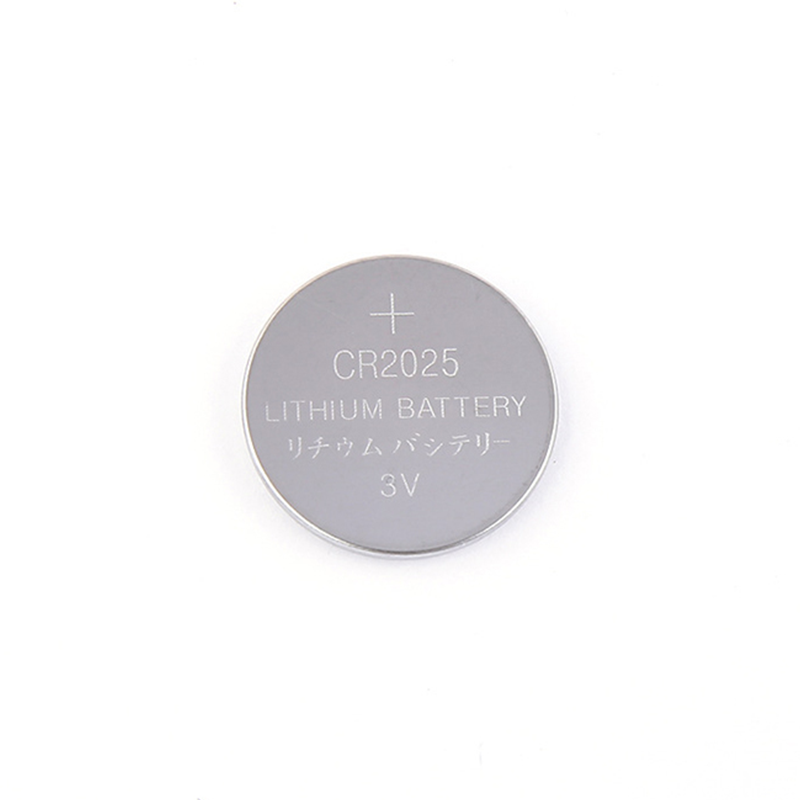
Industrial applications rarely need flashy retail graphics. They need efficiency, density, and low unit costs. PVC Shrink Battery Packaging dominates the B2B supply chain.
This method details the use of heat-sensitive polymer films. Machines wrap this film tightly around single cells or bulk battery bundles. As the package passes through a heat tunnel, the film shrinks. It contours perfectly to the shape of the batteries, locking them together.
The format offers extremely low material cost. It also adds minimal dimensional weight to shipping pallets.
It proves highly effective for bundling industrial cells. 18650 and 21700 lithium cells benefit greatly from this moisture ingress protection.
The tight shrink keeps cells rigidly aligned. It reduces friction and physical wear during bulk transport.
Thermal constraints pose the biggest threat here. Shrink tunnels must remain strictly calibrated. Excessive heat exposure degrades battery chemistry and reduces overall capacity. Lithium cells exposed to temperatures exceeding 80°C face severe internal damage. Additionally, material scrutiny is rising. Some regions are actively phasing out PVC due to recyclability concerns. This legislation necessitates a shift to PETG shrink films, which cost slightly more.
We recommend shrink wrap for industrial multi-packs. B2B wholesale distribution centers rely on this format heavily. It also serves internal component supply chains where aesthetics do not matter.
Some products demand a premium unboxing experience or need structural support for heavy weights. Display Box / Gift-Box Battery Packaging provides the necessary rigidity and marketing space.
These boxes utilize rigid paperboard, corrugated cardboard, or customized folding cartons. Engineers design them to hold multiple units or high-end single batteries. Many incorporate internal die-cut foam to cradle the product. The exterior often features high-gloss UV coatings or foil stamping.
Boxes offer unmatched surface area for branding, compliance labeling, and user instructions.
They function excellently as Shelf-Ready Packaging (SRP) for retailers. Store employees simply tear away the top panel to display the batteries, reducing stock-handling time.
Corrugated layers provide superior crush resistance. They protect heavier batteries like lead-acid units, large lithium-ion packs, and heavy power banks.
You will face a higher unit cost compared to shrink wrap or standard blister cards. Complex die-cuts and premium printing drive up manufacturing expenses. Furthermore, boxes increase the overall volumetric weight. A larger footprint potentially raises shipping and freight costs significantly.
Premium specialty batteries fit perfectly in display boxes. Heavy industrial cells require the structural integrity of corrugated board. Retail countertop display units also utilize this format to grab impulse buyers near cash registers.
Designing the physical container is only half the battle. Custom Battery Packaging must meet rigorous engineering standards to ensure public safety.
Custom designs must incorporate strict terminal isolation. You cannot allow any conductive material near the battery poles. Engineers use die-cut inserts and precise cavity spacing to meet safety mandates. Recessed packaging ensures buttons or terminals never touch flat surfaces. If a package crushes during transit, the inserts must absorb the impact before the terminals make contact.
International shipping laws mandate strict testing protocols. Packaging must survive mandatory drop tests and vibration simulations. UN38.3 is the definitive standard for shipping lithium cells. The carton must endure drops from 1.2 meters without compromising the battery housing. It must also withstand hours of high-frequency vibration testing. Failure means shipping carriers will reject your cargo at the port.
You must compare PET, PVC, and recycled cardboard options carefully. Base your decisions on tensile strength, moisture barriers, and regional environmental bans.
| Material Type | Tensile Strength | Moisture Barrier | Regulatory Notes |
|---|---|---|---|
| PVC (Polyvinyl Chloride) | High | Excellent | Facing bans in EU due to toxic byproducts during recycling. |
| PET (Polyethylene Terephthalate) | Very High | Good | Widely accepted globally; highly recyclable. |
| Corrugated Cardboard | Moderate | Poor | 100% recyclable. Requires internal moisture packets for ocean freight. |
Your packaging design must leave adequate, flat surface area for mandatory labels. Hazmat warnings, capacity ratings (Wh or mAh), and disposal icons must remain clearly visible. If you use cylindrical shrink wrap, ensure the barcode does not distort across the curved surface. Customs officials will delay shipments if hazard labels fall below minimum size requirements.
Moving from concept to mass production requires a structured approach. Follow these logical steps to secure the right manufacturing partner.
You must choose a supplier based on Minimum Order Quantities (MOQs) and scaling capabilities. Specialized blister molds might require an MOQ of 50,000 units to justify setup costs. Conversely, simple folding cartons might only require 5,000 units. Ask suppliers about their maximum monthly capacity. A supplier who meets your pilot run might fail during peak holiday demand.
Never skip the prototyping stage. Request physical dielines, CAD models, and blank samples. Conduct fit-and-drop tests before approving mass production. Place your actual battery inside the blank sample. Shake it vigorously. If the battery rattles, the cavity tolerances are too loose. Adjust the CAD file before cutting the final metal molds.
Audit your current packaging process and identify bottlenecks.
Run a small pilot batch of the new format (e.g., migrating from shrink to blister).
Train assembly line workers on the new heat-sealing or box-folding equipment.
Monitor transit damage reports for the first three months of the new rollout.
Careful planning ensures you migrate formats without disrupting fulfillment operations.
Ask OEM packagers critical questions regarding their quality control (QC). Request their historical defect rates. Inquire about their ISO 9001 certifications. A certified factory maintains strict environmental controls. They monitor humidity and temperature on the production floor. This monitoring prevents moisture from trapping itself inside your battery packaging before sealing.
Select format by end-user: Choose Blister Cards for high retail security, Shrink Wrap for industrial bulk efficiency, and Display Boxes for premium or heavy applications.
Prioritize thermal safety: Ensure your shrink wrap process does not expose lithium cells to extreme heat, preventing chemical degradation.
Design for compliance: Build terminal isolation into every design to pass UN38.3 drop tests and avoid customs rejections.
Test before scaling: Always request blank physical samples to conduct internal rattle and drop tests before paying for mass-production tooling.
The cheapest packaging can easily become the most expensive mistake. If flimsy materials fail transport compliance, carriers will halt your shipments. If improper heat application degrades your cells, warranty claims will skyrocket. We advise buyers to request sample kits immediately. Initiate drop-testing protocols with your shortlisted suppliers today to secure your supply chain.
A: Rigid corrugated cardboard combined with die-cut PET inserts offers the highest safety. This combination provides excellent thermal stability and absolute terminal isolation. It absorbs transit shocks effectively, helping the product pass stringent UN38.3 transport compliance drop tests without puncturing the lithium cells.
A: Yes. PET costs slightly more than PVC, but it offers superior clarity and structural strength. PET requires higher heat-sealing temperatures, so you must adjust your assembly line machinery. Environmentally, PET is widely recyclable and helps you comply with strict European sustainability regulations.
A: Shipping carriers charge based on dimensional (volumetric) weight. Shrink wrap tightly contours the battery, minimizing empty space and keeping freight costs low. Display boxes create a larger footprint and trap empty air inside, significantly increasing your dimensional weight and overall shipping expenses.
A: A realistic B2B timeline spans 4 to 6 weeks. Creating custom aluminum molds takes 1 to 2 weeks. Producing physical samples for your approval takes another week. Once approved, the full mass production run typically requires 2 to 3 weeks, depending on order volume.


