- All
- Product Name
- Product Keyword
- Product Model
- Product Summary
- Product Description
- Multi Field Search


Views: 0 Author: Site Editor Publish Time: 2026-04-22 Origin: Site


The fastest way to choose the right battery is not to guess by shape or buy whatever is already on the shelf. It is to read the device correctly and understand how it uses power. That is where a simple Alkaline Battery guide becomes useful. NANGRAND, the official brand name of Suzhou Nanguang Battery Co., Ltd., supplies a broad range of battery products for global markets, and knowing which size fits which device helps buyers make quicker, more confident decisions for household use, resale, and OEM applications.
The easiest way to identify the right battery size is to begin with the device itself. In many cases, the battery compartment already tells you what you need. The markings may show AA, AAA, C, D, or 9V. In some products, you may also see codes such as LR14 or LR20, which are standard alkaline battery designations linked to familiar battery sizes.
This first step matters because battery buying mistakes often begin with assumption. A buyer sees a battery that looks close enough in shape and size, then later finds that it does not fit, does not connect properly, or does not provide the right support. Reading the printed requirement on the device avoids that problem immediately.
This is especially useful in households and retail settings where several battery types may be stored together. A quick visual check can save time, but a clear label check is what prevents mismatching. For common products, the battery requirement is usually easy to find once you know where to look.
Not every device makes the battery requirement easy to read. Markings inside the battery compartment may be small, faded, or partly hidden. In those cases, the next best reference is the user manual or the battery that was already inside the product.
The old battery often tells the story clearly. Its size marking, code, or voltage can confirm what the device needs. If the label is still readable, it gives the buyer a direct comparison when purchasing a replacement. The manual can help in the same way, especially for products with specialty battery formats or unusual labeling.
This backup check is especially important for older products, stored devices, or items used only occasionally. Instead of guessing, buyers should follow the evidence already provided by the product. That approach reduces errors and leads to a better battery choice the first time.
Not all devices consume battery power in the same way. Some products use only a small amount of energy over a long period. Others demand stronger support as soon as they are turned on. This is why battery size should always be considered together with the way the device operates.
Low-drain products include things like simple remote controls, wall clocks, and some small accessories. These devices often work well with compact batteries because they use power slowly. Mid-drain devices, such as toys, handheld electronics, and some speakers, need more support and may benefit from battery sizes that offer better endurance. High-drain devices, including bright flashlights, larger audio products, and some work-use tools, often need larger battery formats because smaller cells would require frequent replacement.
This difference explains why two products of similar size may still use different batteries. It is not only the outside shape of the product that matters. It is also the amount of power the product draws and how long it is expected to operate between battery changes.
Usage pattern matters just as much as power demand. Some devices are used every day, while others sit in storage and are needed only once in a while. A TV remote and an emergency flashlight do not ask the same thing from a battery, even if both may appear simple at first glance.
For frequently used products, buyers often care most about runtime and replacement frequency. They want batteries that can support regular use without becoming inconvenient. For standby devices, shelf life and ready-to-use performance become more important. The battery may sit in place or in storage for a long time, but it still needs to work when the product is finally needed.
This is one reason alkaline batteries remain practical across so many product categories. They serve both daily-use electronics and backup equipment, provided the correct size and format are chosen. NANGRAND’s battery range supports this kind of varied demand by covering common household sizes as well as larger and specialty formats.
Device Type | Typical Battery Size | Why That Size Is Used | What to Check Before Buying |
Remote controls and small accessories | AAA or AA | Compact size and practical everyday use | Compartment label, battery orientation, voltage |
Toys and handheld electronics | AA or C | Better support for sound, lights, or motion | Device label and expected runtime |
Flashlights and portable radios | AA, C, or D | Size depends on brightness and operating time | Product size, battery space, use frequency |
Lanterns and backup equipment | D | Longer runtime and stronger support | Storage needs, shelf life, correct size marking |
Smoke alarms and specialty products | 9V or specialty batteries | Device-specific shape and voltage requirement | Exact format, terminal type, voltage |
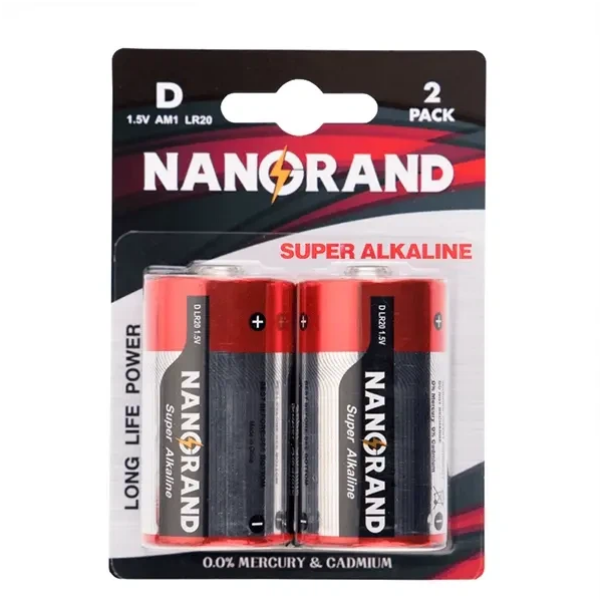
Small everyday electronics usually rely on AA or AAA batteries. Remote controls, wireless accessories, compact toys, and portable control devices are common examples. In these products, size and weight matter. The battery needs to support the product without making it bulky or awkward to use.
AAA often appears where the device must stay slim and lightweight. AA is common when slightly more runtime is needed while still keeping the product compact. This is why many households keep both sizes on hand. They cover a wide range of daily-use electronics without requiring larger battery storage.
For this category, the buying decision is usually straightforward once the device label is checked. The main goal is to match the product requirement exactly and avoid assuming that a similar-looking battery will work just as well.
As products become more power-hungry or are expected to run longer, battery size often moves up to AA, C, or even D. Mid-sized household devices such as flashlights, radios, speakers, and larger toys often fall into this range.
These devices usually need more endurance than very small electronics. A larger battery helps reduce replacement frequency and supports better overall performance during use. That does not always mean choosing the biggest available battery. It means selecting the size the product was designed to use and understanding why that size was chosen.
In many of these products, battery selection affects the user experience directly. A radio that fades too quickly or a flashlight that needs constant battery changes becomes less convenient over time. Matching the correct size helps the device stay useful in the way buyers expect.
Some products use larger batteries because they need longer runtime, stronger support, or a special battery form. Safety products, industrial tools, dispensers, garage remotes, and smart-access devices are good examples.
Larger devices may use C or D batteries because they benefit from stronger support and longer service time. Specialty products may use 9V or compact control batteries designed for very specific voltage and size requirements. This is especially true in devices such as garage door remotes, key fobs, and smart-access controls, where the battery may be physically small but still highly specialized.
This category shows why buyers should not rely on visual guesswork. Specialty batteries are chosen for technical reasons, not only for convenience. The correct answer is always the one specified by the device.
One of the most common buying mistakes is focusing only on size while ignoring voltage. Two batteries can look similar, yet still be meant for very different products because their electrical requirements are not the same.
That is why battery replacement should never be based only on physical appearance. A buyer must follow both the size and the voltage requirement shown by the device or the old battery. This is particularly important with specialty batteries, where a small difference can make the battery completely unsuitable.
Another common mistake is assuming that a larger battery is always a better option. Bigger batteries may last longer in the right device, but they cannot replace smaller ones unless the product is actually designed for them.
Physical fit, terminal design, and compartment structure all matter. A battery must sit correctly, connect correctly, and match the product’s design. A bigger battery is not an upgrade if it does not belong in the device. Good battery choice is about suitability, not excess.
Mixing old and new batteries is another source of poor performance. When batteries in the same device have different remaining power levels, the product may not run consistently. Users may notice weaker output, shorter service time, or uneven performance.
That is why replacement should usually be done with the same size, the same type, and a fresh set when multiple batteries are used together. Keeping the battery set consistent helps the product work more reliably and reduces unnecessary problems after installation.
A practical battery strategy is not only useful for households. It also matters for retailers, distributors, and product buyers managing different types of devices. The goal is simple: keep the sizes that match real use patterns instead of buying randomly.
For daily electronics, AA and AAA are often the most useful to stock. For larger household products or backup equipment, C and D batteries may be worth keeping ready. For smoke alarms, test devices, and certain specialty controls, 9V and other designated formats should be available when needed.
This kind of organization saves time and reduces rushed purchases. It also makes product support easier in business settings where different devices require different battery formats. NANGRAND’s broad alkaline battery offering fits this practical stocking approach by covering common household sizes, larger formats, and specialty battery needs within one product range.
Choosing the right battery size becomes much easier once buyers start with the device requirement, think about how the product uses power, and avoid common replacement mistakes. Battery size affects more than fit. It influences runtime, convenience, storage planning, and overall device performance. NANGRAND supports these everyday needs with a broad battery lineup designed for reliable use across household, commercial, and specialty applications. If you are looking for dependable alkaline batteries for retail, distribution, or OEM projects, contact us to discuss your product needs and business opportunities.
The best place to check is the battery compartment, followed by the product manual or the old battery already used in the device. These usually show the exact size and voltage required.
No. A larger battery only works if the device is designed for it. Physical fit, terminal design, and voltage all need to match the product requirement.
It depends on space, weight, and power demand. AAA is often used in slim, lightweight products, while AA is common when a little more runtime is needed.
Many buyers need multiple battery formats for different devices and markets. NANGRAND offers a broad alkaline battery range to support everyday electronics, larger equipment, and specialty applications.


